
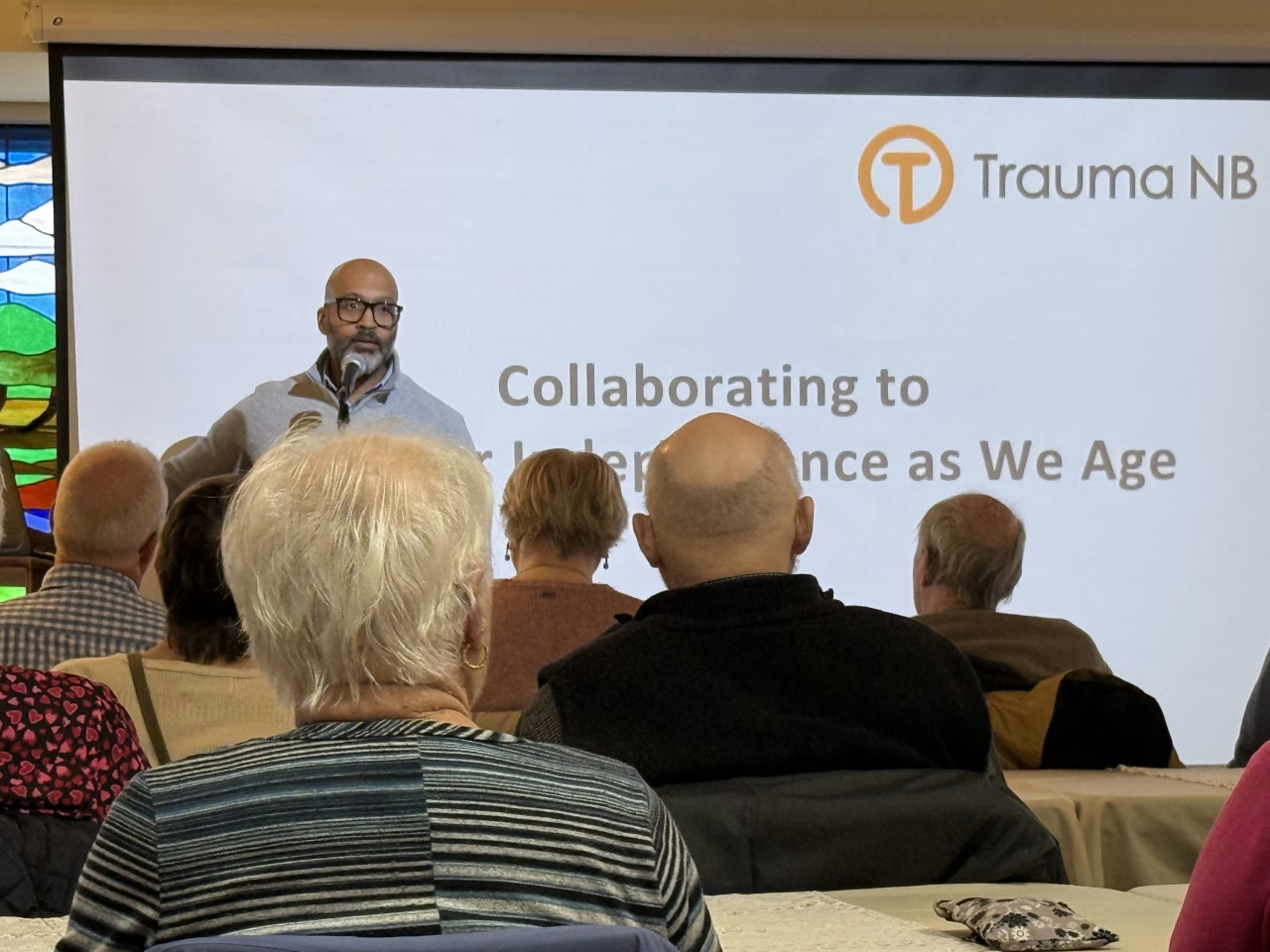
Falls account for more than 2,900 hospitalizations among older adults in New Brunswick each year, an average of eight a day. Yet many of those falls could be prevented, according to Dr. Richard Louis, an injury prevention specialist with Trauma NB.
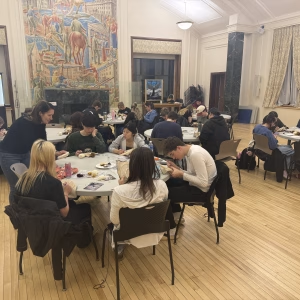
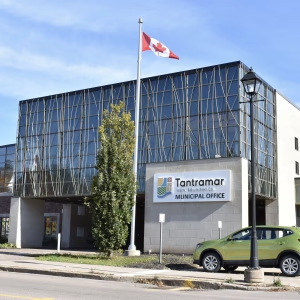
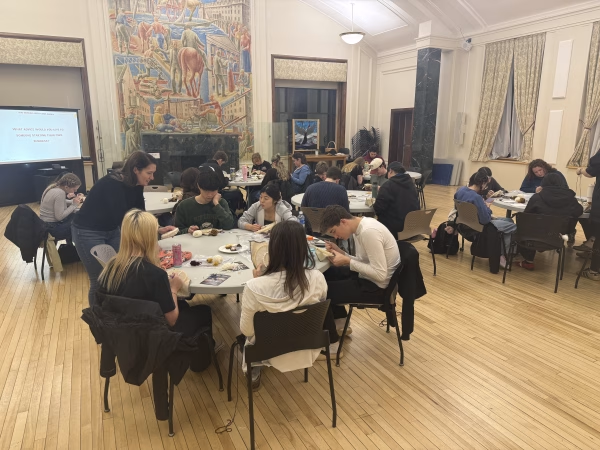
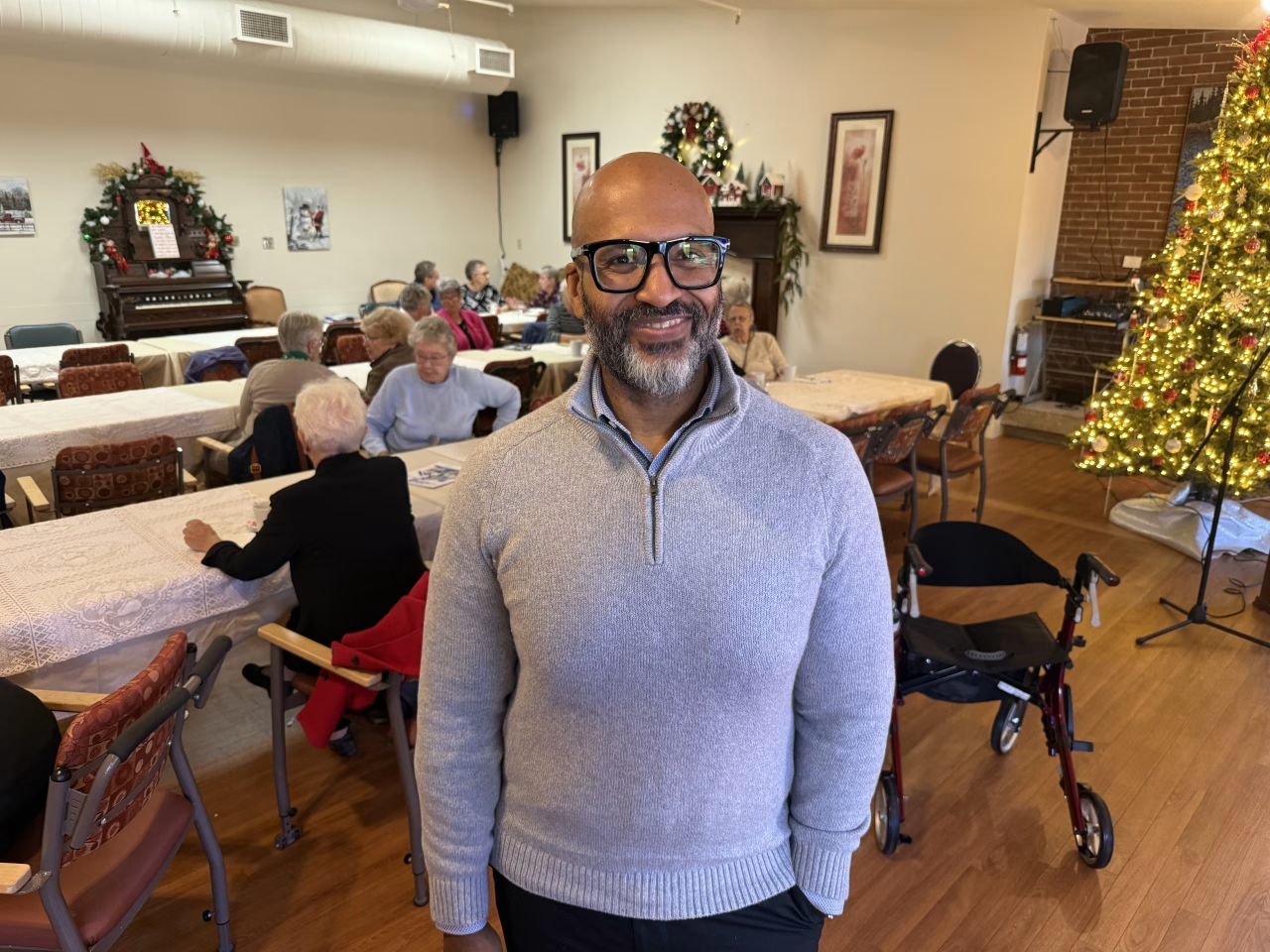
Louis spoke in Sackville on Nov. 24 at a Lunch & Learn organized by Nursing Home Without Walls (NHWW) Tantramar. He challenged the idea that falling is an inevitable part of growing older and explained how people can protect their independence as they age.
“Falls is not a normal part of aging. Yes, we all fall, but you can avoid them. You can prevent them by taking some really simple steps with the help of your primary care provider and other healthcare professionals that are there to support you,” said Louis.
Trauma NB works to prevent injuries and improve the care of injured patients across the province. Louis explained that traumatic injuries have been described as a “silent epidemic” because of how frequently they occur and how they have come to be accepted as part of everyday life.
During an interview with CHMA, he pointed to the difference in media coverage between falls and injuries sustained in motor vehicle collisions or sporting events.
“When we talk about falls, and more specifically falls in older adults, those incidents do not regularly get that same level of media coverage,” he said.
The provincial hospitalization figures do not include patients who receive treatment in an emergency department and are discharged. For those who sustain a hip fracture, Louis said the average hospital stay is at least three weeks. Some patients may require long-term care.
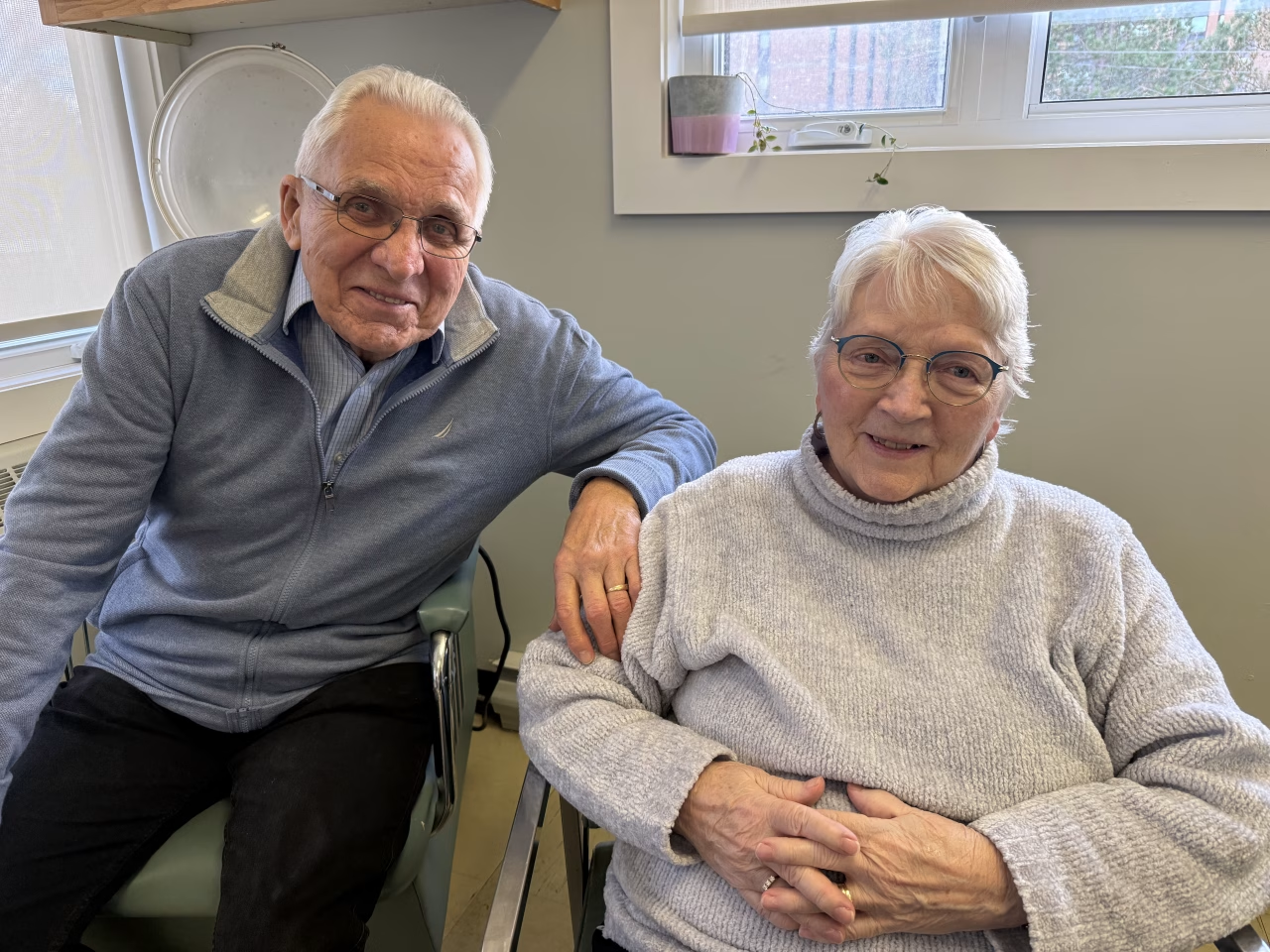
Eleanor Lamrock sat in the front row during Tuesday’s presentation. She uses a cane and a walker and said the hospitalization figures were difficult to hear.
“I have been very afraid of falling, so I’ve been very conscious about not falling, but he didn’t really make me feel much better about that when he showed the statistics,” said Lamrock.
She picked up some of the educational materials available at the event and said she would probably make a few changes after reading them.
“I guess I realize I might be a little bigger fall risk than I thought I was, so that’s good to know, and then I can be more careful,” she said.
Len Lamrock said he appreciated Louis’ enthusiasm for his work and was encouraged by the efforts being made across New Brunswick to prevent falls.
“I just fell three weeks ago, and I got up and I was fine, but it can happen so quickly,” he said.
According to Louis, developing a fear of falling after experiencing one is natural. That fear can become a concern in itself when it begins to interfere with daily life.
“With fear of falling, you might unfortunately develop habits that would put you at increased risk of falling, things like avoiding social interactions and going out there and seeing friends and family,” he said.
Someone who regularly attends an exercise class may stop going out of concern that they could injure themselves. Becoming less physically active can affect their strength and balance. Behavioural therapy is one way healthcare professionals can help patients manage that fear.
The Atlantic Collaborative on Injury Prevention put the cost of falls among older New Brunswickers at $144.71 million in 2018. Falls made up about 80 per cent of the total cost of injuries among older adults that year. Transport-related injuries cost $7.67 million for the same age group.
The figures include healthcare costs and lost productivity. They do not account for the pain and suffering experienced by individuals and their families.
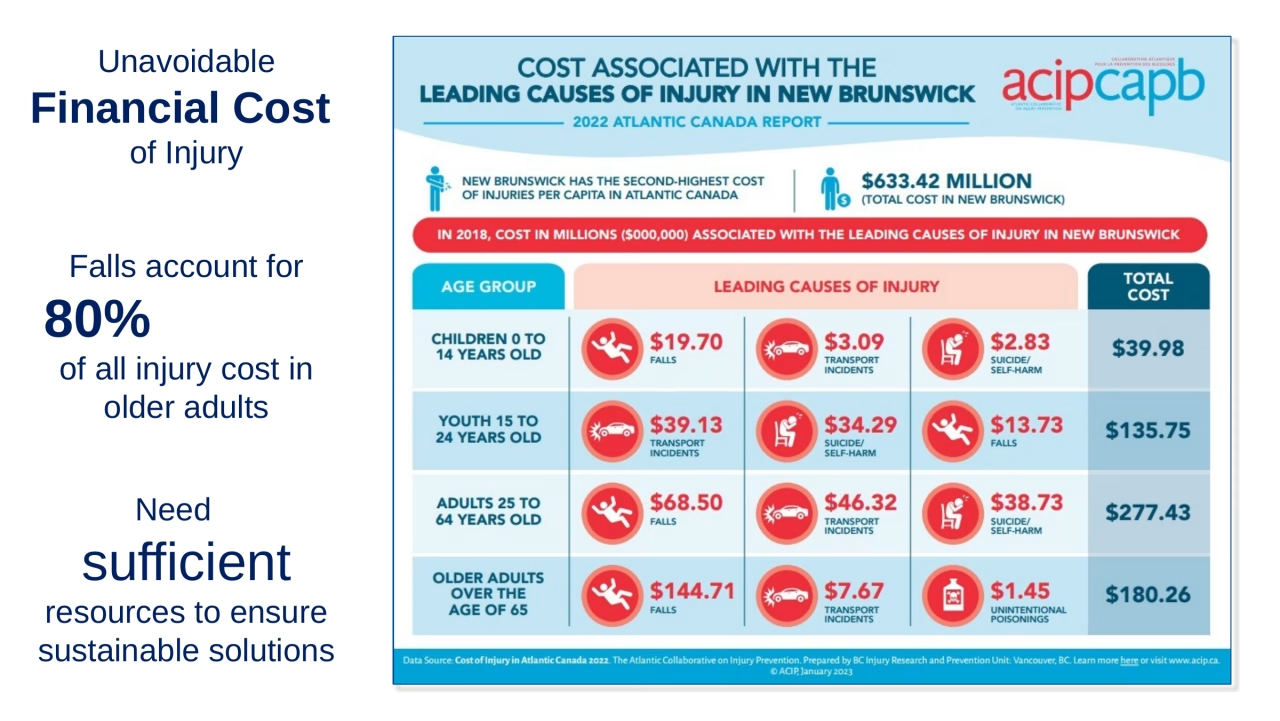
Louis chairs the collaborative and is working on an updated infographic using hospitalization data from 2024. Trauma NB estimates annual hospitalizations due to falls among older adults could reach 4,130 by 2030 and 5,426 by 2040.
Louis questioned whether the province would have enough hospital beds to accommodate those patients as its population ages. He said much of the available funding goes towards caring for patients after they have been injured, leaving little for prevention.
“With that, there’s not enough left to do that prevention. So any little bit counts,” he said.
Nursing Home Without Walls operates locally out of the Drew Nursing Home and helps older adults remain in their own homes.
“NHWW aims to support healthy aging by empowering older adults to take proactive, simple steps to reduce their risk of falling,” said Tantramar coordinator Rachelle Gariépy in her written remarks for Tuesday’s event.
A 2012 American study cited by Louis found that fewer than half of older adults who had experienced a fall discussed it with a healthcare provider.
Louis has developed a toolkit that recommends screening patients aged 65 and older for fall risk at least once a year. A physiotherapist can help determine what exercises would benefit a patient. An occupational therapist can help assess how safely patients manage everyday activities in their homes.
“If you have any concerns about falling, number one thing I would say is not to dismiss that sentiment, and to act upon it,” said Louis.
He recommends beginning with the Staying Independent Checklist, a 12-question self-assessment that asks whether a person feels unsteady while walking or has difficulty stepping onto a curb.
Anyone who scores four or higher should speak with their family physician or nurse practitioner. The questionnaire is not intended to provide a diagnosis and a lower score does not necessarily mean a person is without risk.
Louis said not everyone will be able to do the same exercises safely.
“If I have to pick one thing, though, it’s getting your leg strength up there and your balance,” he said.
In Dorchester, residents aged 50 and older can attend free exercise classes through Zoomers in Balance at the Dorchester Veterans Community Centre. Attendees also heard that there are plans to bring the program to Sackville.
The shoes people wear can also affect how safely they move around. Louis encouraged attendees to check the grip on the soles of their shoes and the support around the heel.
He recommends having prescriptions reviewed at least once a year because some medications can increase the likelihood of falling. A pharmacist can help with this if a patient has difficulty accessing their family physician.
During the presentation, Louis asked attendees to consider how safely they could make their way from their bedroom to the bathroom in the middle of the night. Keeping the pathway clear and installing night lights can make that trip safer. In the bathroom, he recommended properly-installed grab bars rather than ones attached to the wall with suction cups.
He also demonstrated how a person who has fallen without sustaining an injury may be able to get back up using a sturdy chair. He stressed the importance of checking for injuries before attempting to move. Anyone who is injured or unable to get up should call for help.
Something as simple as visiting an older relative can make a difference. Louis identified loneliness as a risk factor for falls and suggested that families could complete the Staying Independent Checklist together.
Louis said falls have historically received less attention at the national level than other health concerns associated with aging, such as frailty and fractures. He founded and chairs the Canadian Fall Prevention Collaborative, whose members share research and learn from the work being done in other provinces.
November is Fall Prevention Month across Canada. The Staying Independent Checklist is available at FindingBalanceNB.ca, along with a home safety checklist that helps people identify potential hazards room by room.
For older adults who have difficulty accessing these resources online, Louis hopes to make printed copies available through the Drew Nursing Home.

Theodore Ramharack holds a Bachelor of Arts in Political Science from Western University and a diploma in Broadcast Journalism. He recently completed an internship with CBC News’ The National.
Originally from Ontario, he moved to Sackville to join CHMA as a local journalist and is excited to get to know the Tantramar region and share stories from the community.