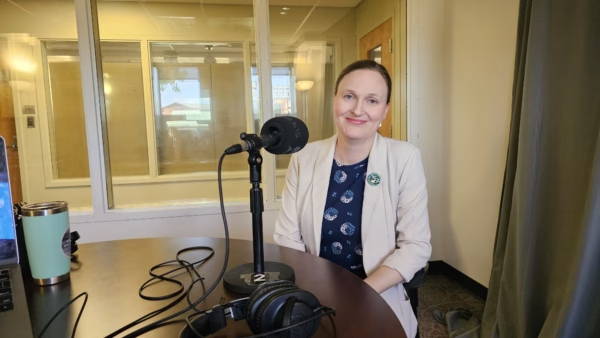

Experts outline environmental, health and financial concerns around proposed NB Power plant
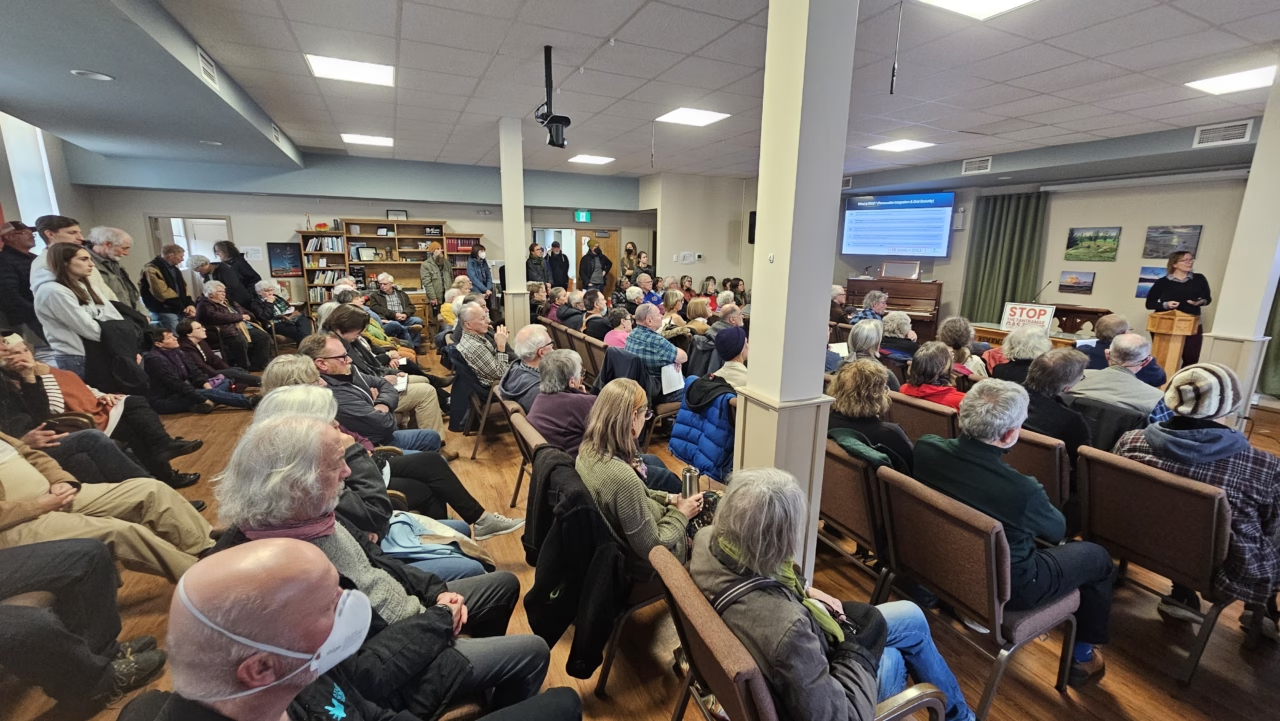
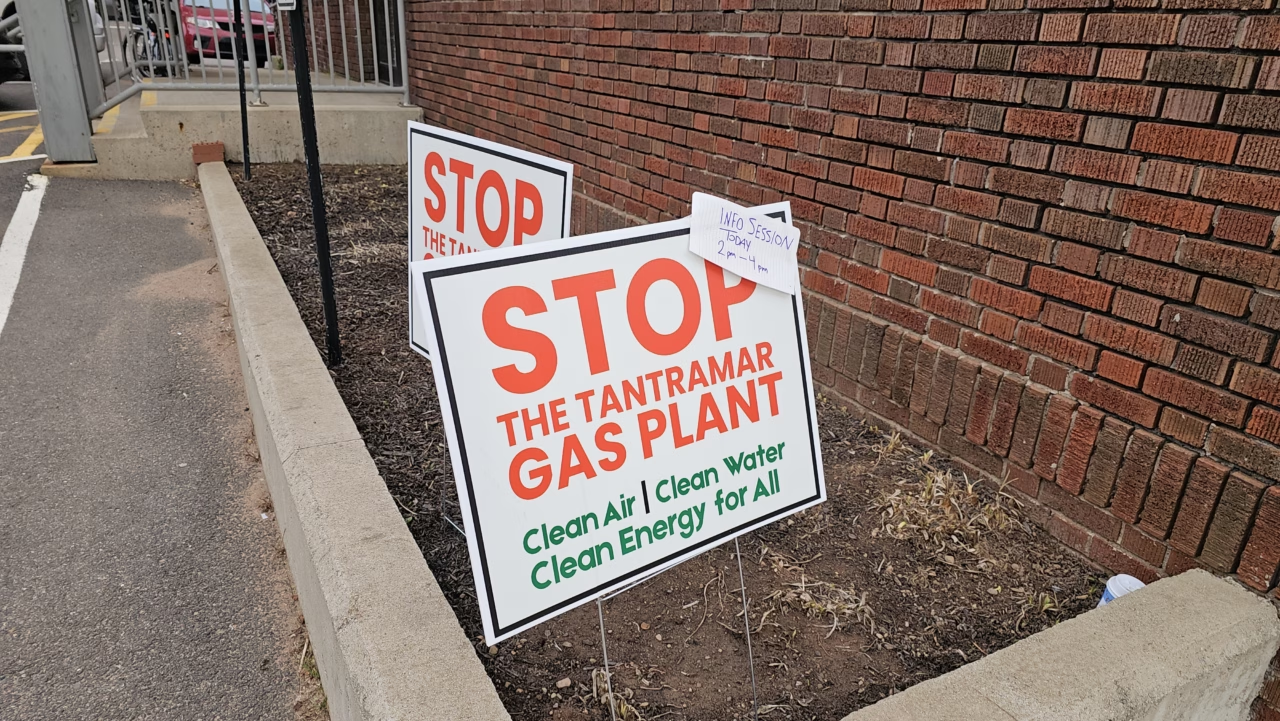
About 125 people gathered at the Sackville United Church on Sunday to hear expert presentations about the proposed gas and diesel plant on the Chignecto Isthmus – a collaboration between NB Power and ProEnergy. Representatives from either company were not visibly present, but speakers provided an overview of the utility’s stated rationale for the project, along with environmental, economic, and health concerns raised by community members and experts.
Hear the story below:
The Protect the Chignecto Isthmus Coalition (PCIC) organized the meeting, which offered detailed breakdowns of what the 400 to 500 megawatt facility could mean for the region.
NB Power’s stated rationale, as described by speakers
Presenters explained that NB Power has described the proposed facility as a fast-start “peaker plant,” intended to help stabilize the grid during winter demand spikes or periods when renewable output is low.
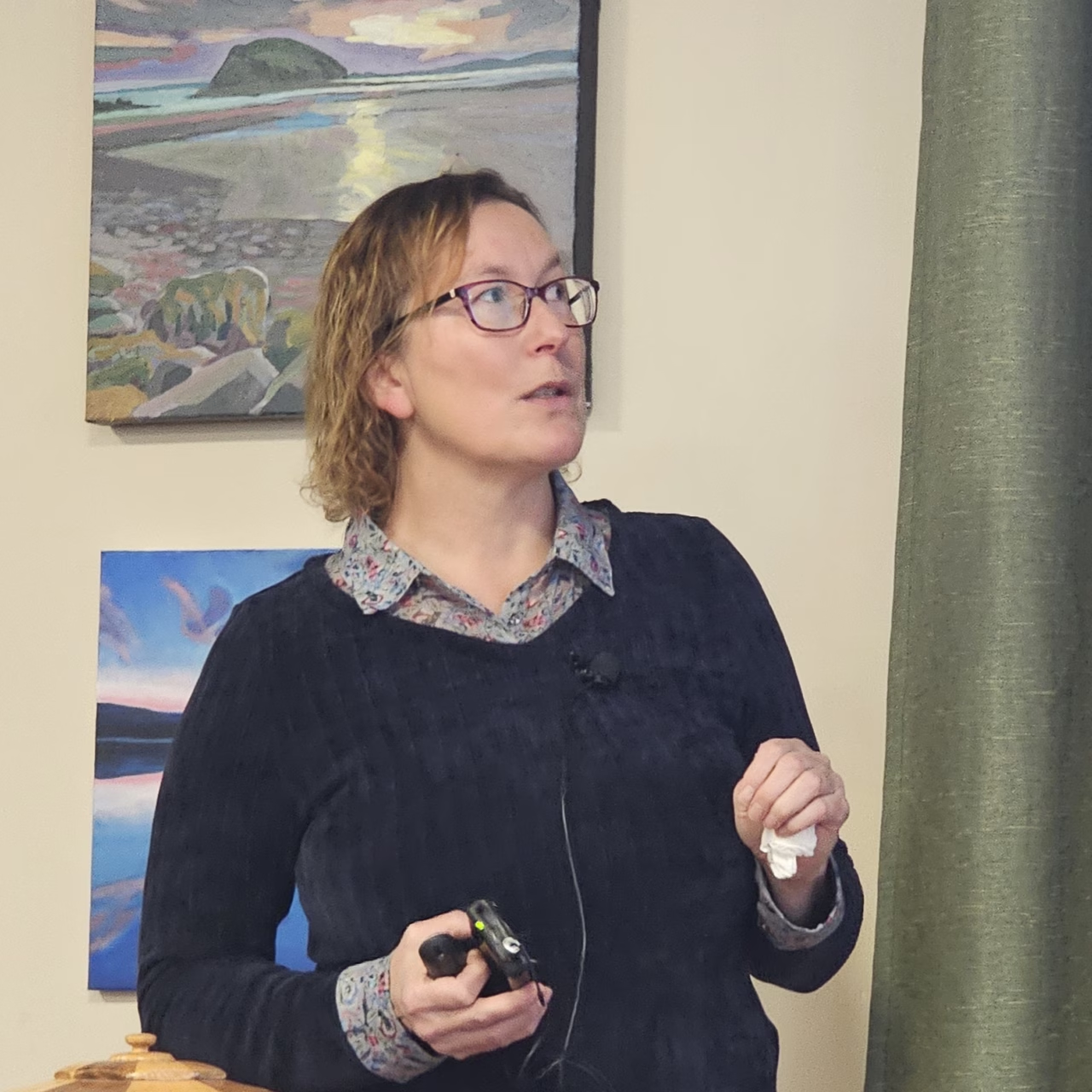
Beverly Gingras, executive director of the Conservation Council of New Brunswick, summarized NB Power’s position as residents have heard it so far.
“Because these turbines can turn on really, really fast… they say when the wind’s not blowing and the sun’s not shining, they can use this plant as a peaker plant.”
Environmental and groundwater impacts
Gingras then outlined concerns about emissions and water use documented in project filings.
“This one plant alone would be about eight percent of New Brunswick’s annual emissions.” and noted, “Seven million litres of groundwater a day…when we’re still in a drought. That’s frightening.”
She noted that the plant would be owned and operated by an American company.
“They’ve contracted a U.S. firm, Pro Energy, to build it and own it.”
Economic implications
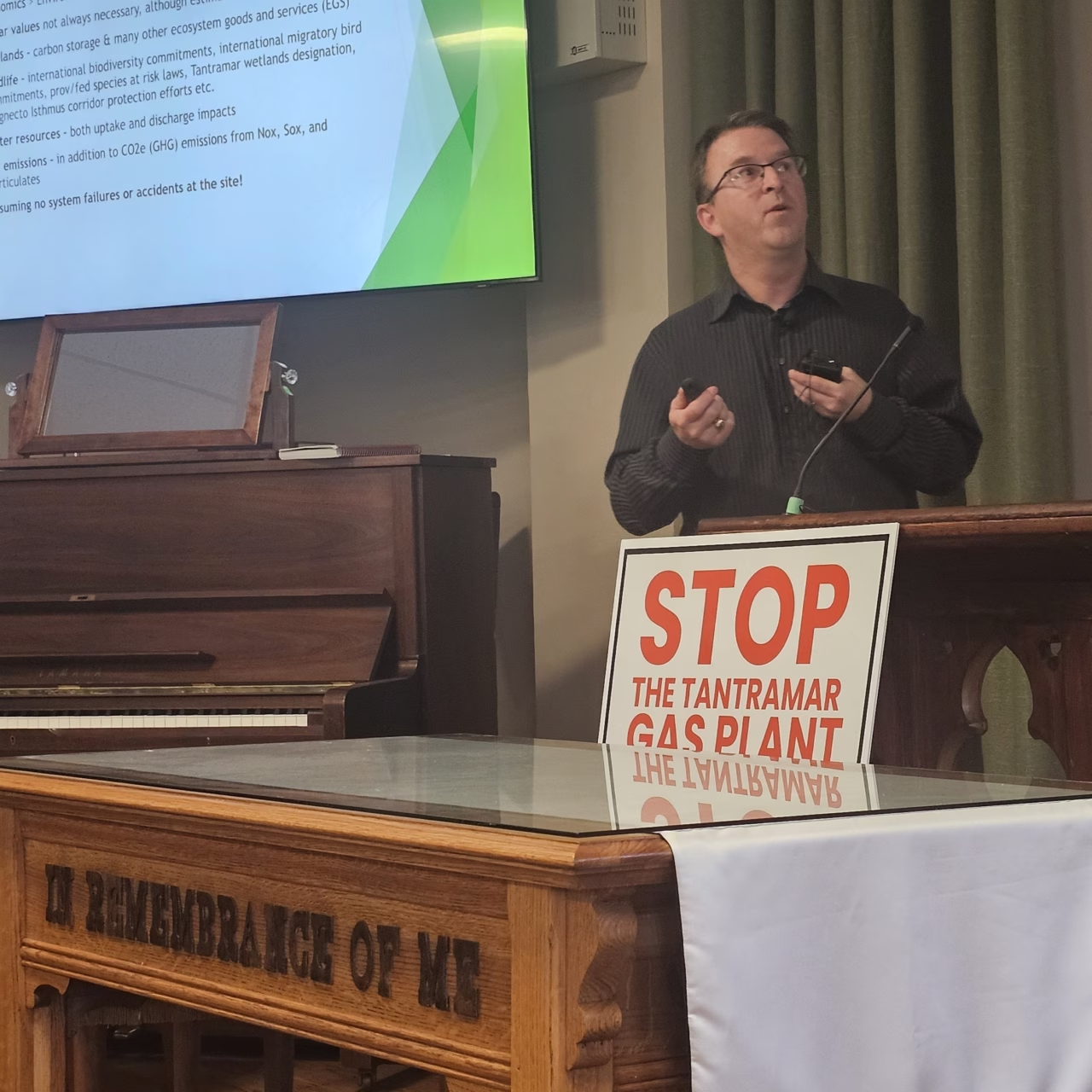
Economist Gregor McCaskill of Gardner Pinfold reviewed NB Power’s filings with federal and provincial regulators. He told the audience that project costs extend beyond construction.
“New Brunswick would be paying over 50 million dollars a year for 25 years, just for the agreement.”
“That works out to about thirty-four hundred dollars for every household in New Brunswick.”
“The gas cost alone could reach ninety to two hundred and eleven million dollars a year.”
Health impacts
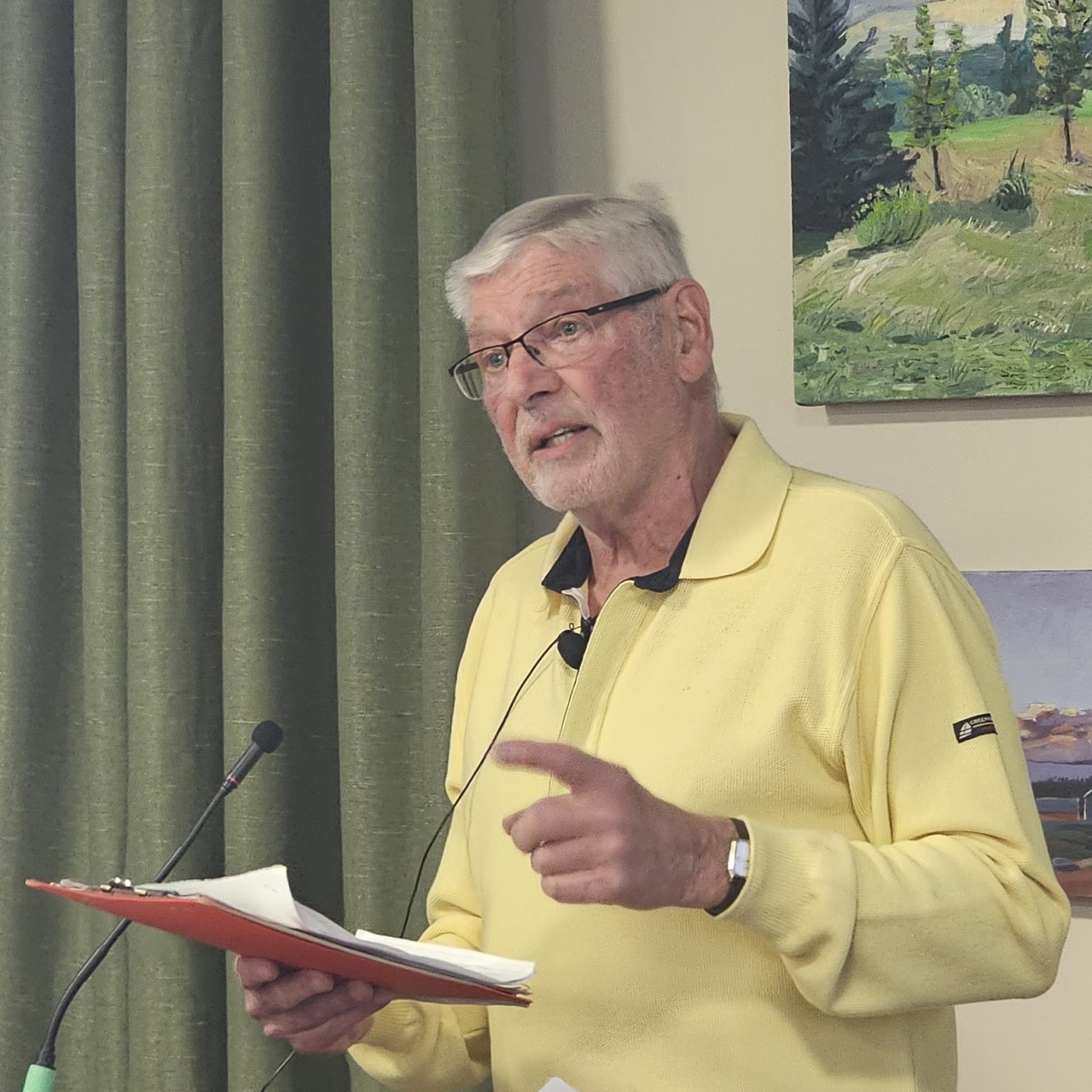
Retired family physician Dr. Harold Popma, a member of the Canadian Association of Physicians for the Environment, spoke about the health effects associated with burning natural gas and diesel.
“Burning gas and diesel creates air pollution that causes asthma, heart problems, lung disease.”
“Volatile organic compounds are inhaled deeply into the lungs… they stick, and they do damage.”
Popma also emphasized that reducing risk will require action beyond NB Power.
“We all need to clean up our act… we all need to reduce how much electricity we use.”
Jurisdiction and next steps
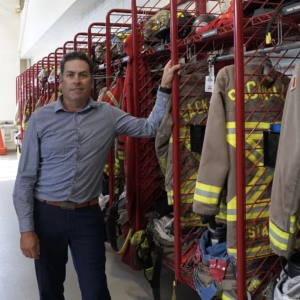
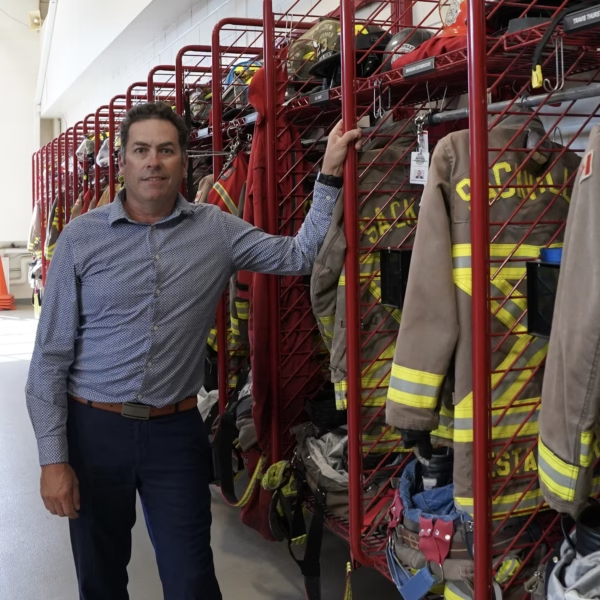
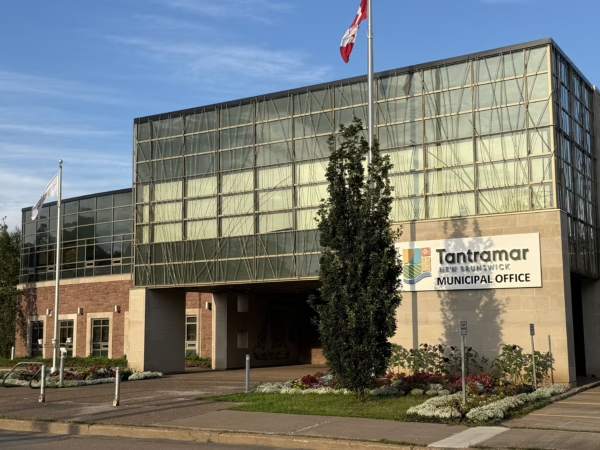
During the question period, residents asked which level of government has authority over the proposed site. Tantramar Mayor Andrew Black clarified that the location is outside the municipality’s planning boundaries.
“No, the municipality would not have to issue any permits… it would go to the province to pass those permits, and the municipality would have no say.”
The project is currently undergoing a provincial Environmental Impact Assessment. NB Power is scheduled to appear before the Energy and Utilities Board in late February.
Coalition Coordinator Lisa Griffin reminded residents that public input matters during the review period.
“If people don’t write in about something, they assume no one cares.”
More information is expected in the coming months as the provincial and federal review processes continue.
Learn more at https://www.atlanticwildlife.ca/pcic