

Most Tantramar homeowners should see a reduction in their municipal property tax rates in 2027, so long as councillors keep to their intentions.
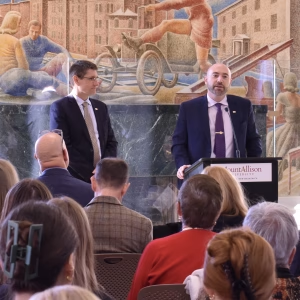
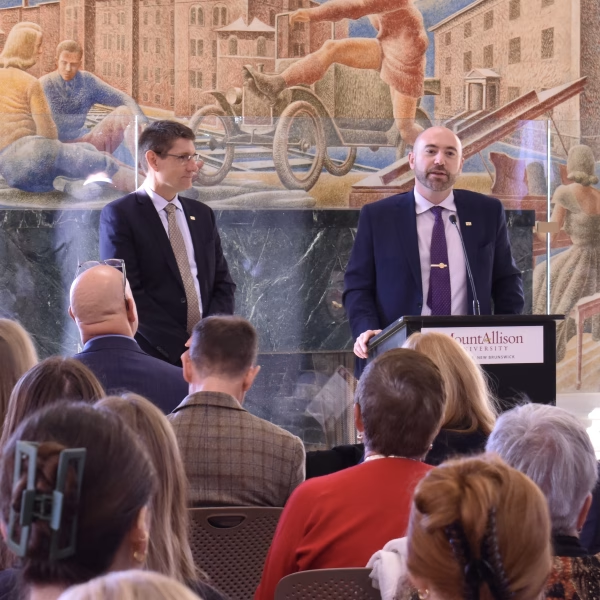
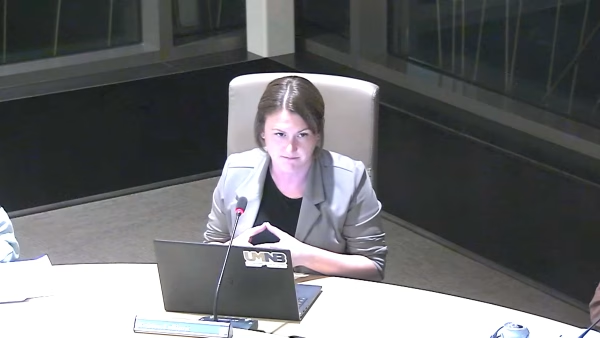
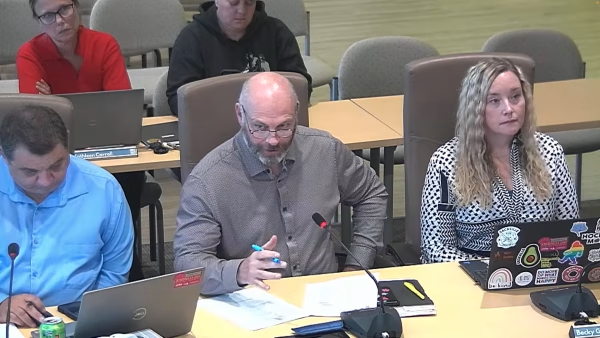
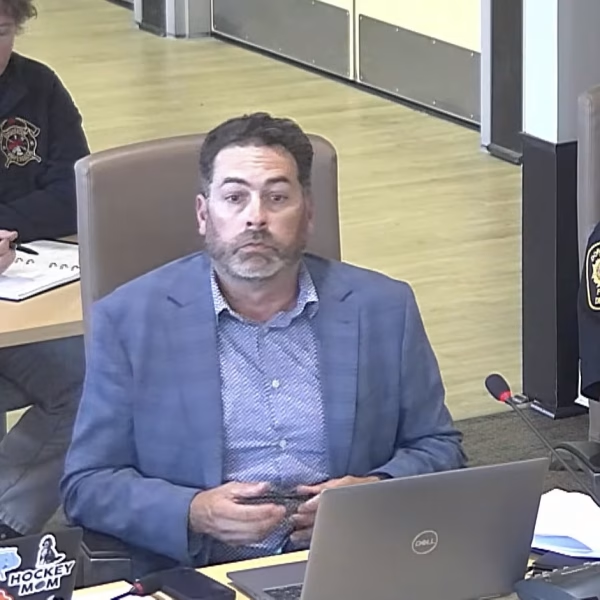
Treasurer Michael Beal presented to council at a special council meeting on Monday Oct. 19, where he said the province’s new local rate stabilizer program would mean lower rates for taxpayers in the municipality.
While council can choose to increase rates with the 2027 budget, council seemed united in not wanting to make residents pay more than they need to, a sentiment summed up by Councillor Tori Weldon.
“When I did my canvassing, most people I spoke to just didn’t. . . the amount of taxes they were paying, they were finding really difficult, a lot of people. So as much as I could come up with things I’d really like to see, I think my number one priority would be to either, I mean, a decrease would be fantastic, but just to keep it as low as possible.”
Listen to the audio below:
Tabled in the provincial legislature in May, an October release from the government said the rate stabilizer is meant to keep property taxes more predictable while still providing municipalities with the revenue they need to operate.
If a municipality decides it needs more tax revenue, it is still allowed to set its own rates, though the increases would need to be justified and communicated to residents during the budget process.
While council won’t decide until next month, Beal laid out six options to help councillors consider their priorities when looking at the budget. Three include maintaining current services with variability between new services: either no new services, a minor increase to them, or a major increase. Of the three remaining, two options would include minor or major reductions in current services with nothing new added; the final option would reduce existing services while adding new ones.
Of those options, only option three—maintaining current services and a major increase to existing ones—would lead to little to no tax reductions for the majority of taxpayers.
If council sticks with the stabilizer rates, compared to 2026, Sackville and Dorchester homeowners would pay about $0.06 less per $100 of assessed value, or $1.4693 per $100 of assessment.
The former LSDs for Point de Bute, Sackville and Dorchester are slightly different, as some of their services are covered by the province at a rate of around $0.41 per assessed $100. For Point de Bute, the municipal rates would decrease to $0.8186, down by around $0.04; the former Sackville and Dorchester LSD rates would decrease by about $0.03 to $0.6341 and $0.7094, respectively.
Utility rates
The bulk of Beal’s presentation related to the 2027 draft utility operating budget for Tantramar.
He recommended rates should increase in Sackville and Dorchester by 3.8 per cent each year for the next four years. Since amalgamation in 2023, those increases have been much steeper: in 2024, they increased by 6.7 percent; in 2025, they increased by 6.3 percent; and in 2026, they increased by 5.9 percent.
That would mean a minimum annual rate next year of $677 for Sackville residents, a $25 increase, whereas Dorchester residents would pay a flat rate of $891.43, or a $32.67 increase.
As for why the rate increases are necessary, Beal cited increasing water treatment costs, along with larger-scale capital expenditures, like multi-million-dollar lagoon upgrades, and upgrades to the municipality’s lift stations and treatment plants.
Then there is the issue of replacing aging underground infrastructure, which Beal said has increased in price tenfold in the last 30 years.
“Upgrades to underground water and sewer lines, they are not cheap. We’re in the, I believe based on the estimates that engineering/public works gave me for their capital request, we’re looking close to $3 million per kilometre now.”
Council will hear the rest of the draft budget on Oct. 26, and the budget must be presented to the province by Nov. 15.