
(Clinton Davis/CHMA News)
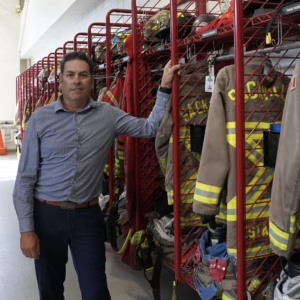
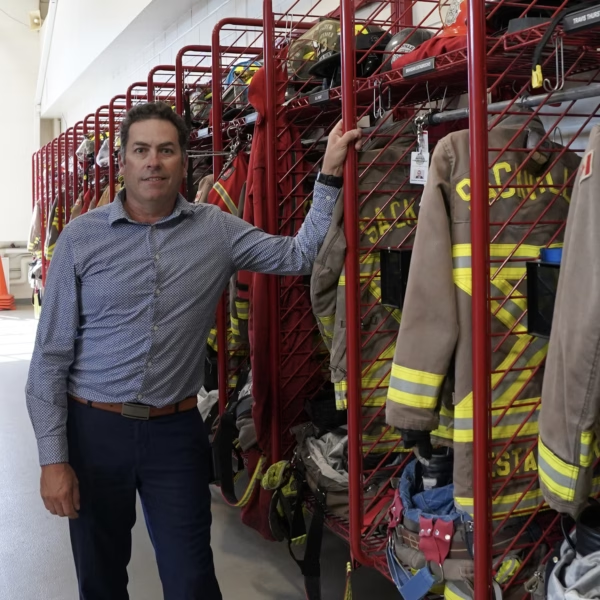
Dr. Harold Popma says proximity to the proposed plant could increase health impacts on residents
In late November, the Protect the Chignecto Isthmus Coalition (PCIC) held its second community information session on NB Power’s proposed fossil fuel run, jet turbine power plant for the Tantramar region.
The goal was to provide residents with accessible public information, as details about the project are considered by many to remain limited.
Listen to the story below:
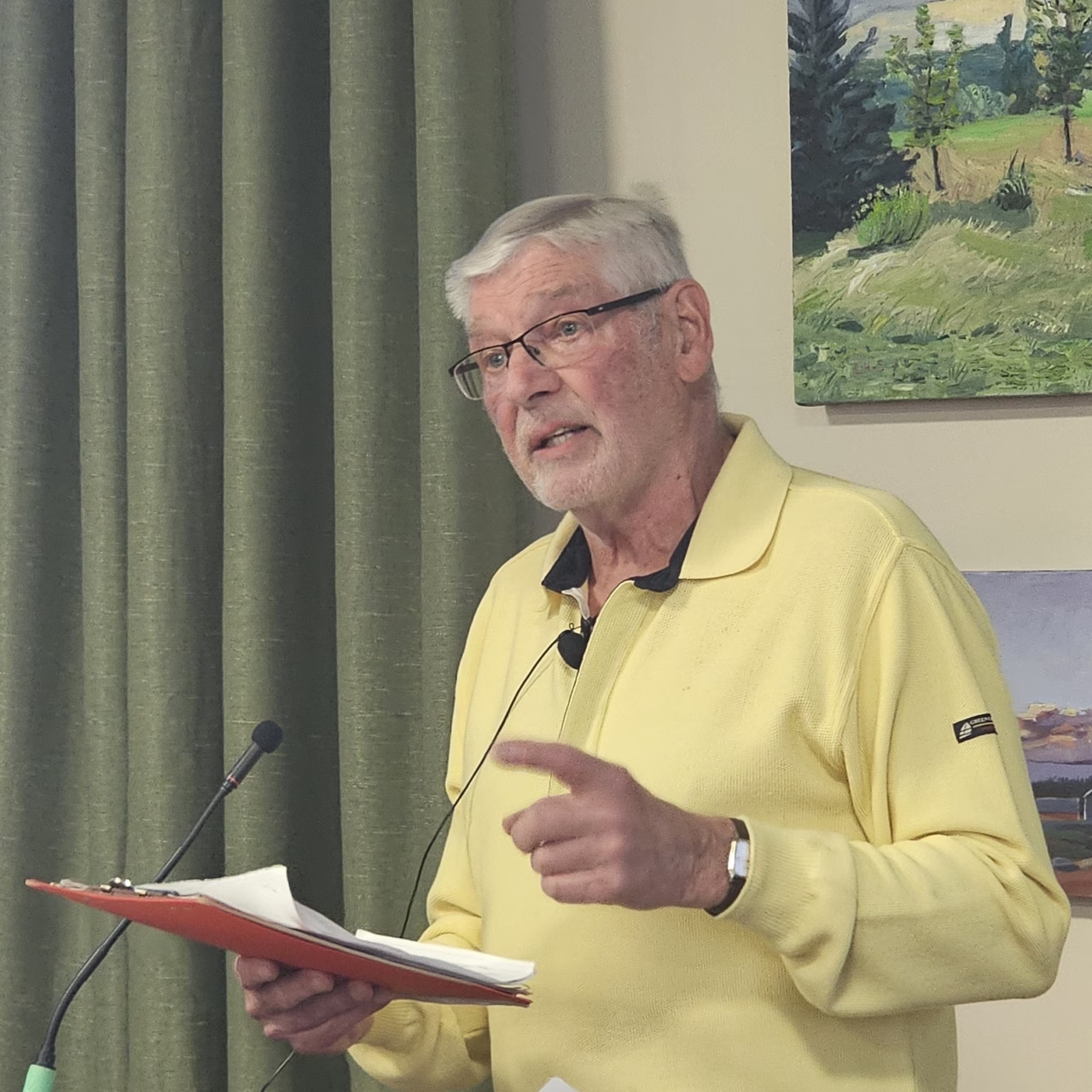
Three speakers presented researched opinions on environmental, economic and health considerations tied to the proposal. Among them were Beverly Gingras, Gregor MacAskill and Dr. Harold Popma, a retired family doctor, longtime environmental advocate and member of the Canadian Association of Physicians for the Environment (CAPE) for over 30 years.
Popma opened with a central message, piggy-backing off the previous speaker, MacAskill’s Mastercard “priceless” commercial reference,
“I think health is priceless.”, to a cheerful round of applause by the crowd.
An international perspective on health and climate
He divided his presentation into what he called the big picture and the small picture.
In the first, Popma spoke about broader health impacts of fossil fuels and climate change. He highlighted the World Health Organization’s view that global warming is a fundamental threat to human health, pointing to heat related illness, food insecurity and the struggle for clean water as issues already affecting communities worldwide.
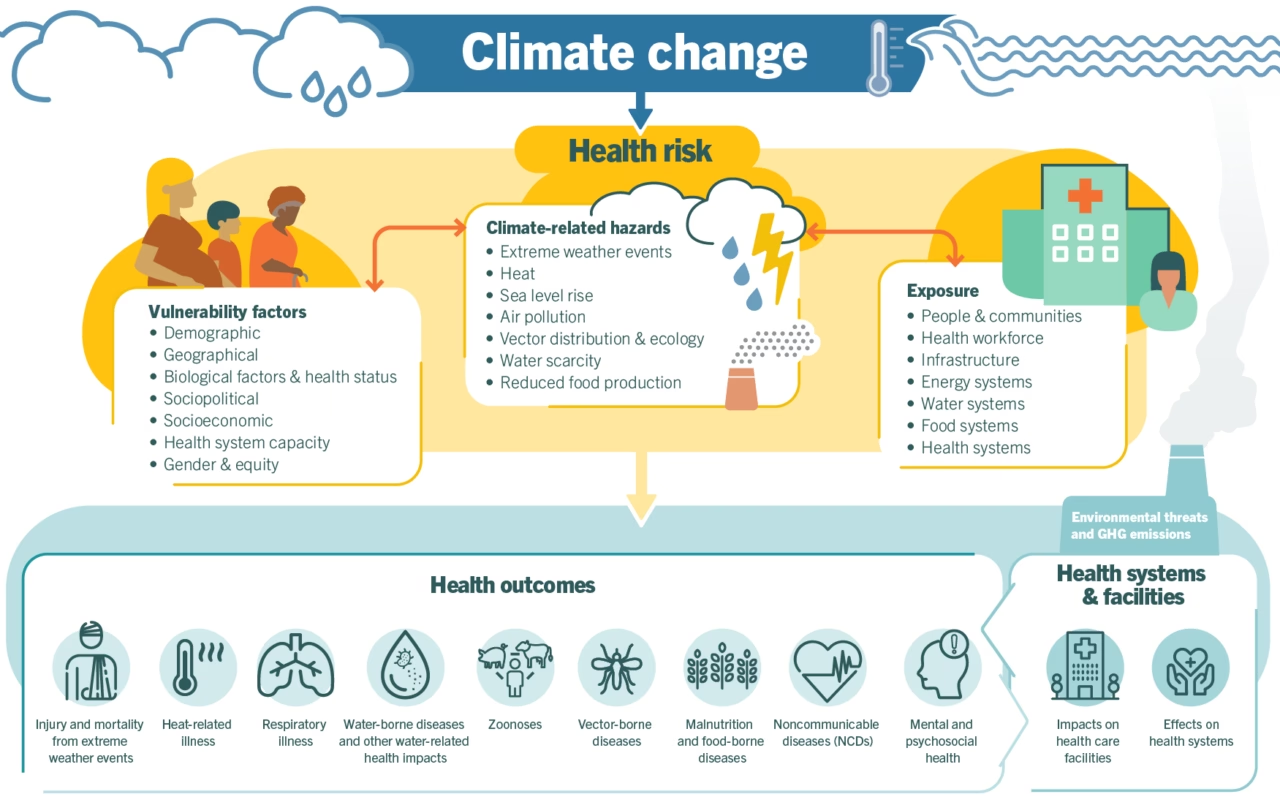
“I don’t want to frighten you. It’s not as if we’re all going to die. I don’t want you to think that we’re all going to be sick. On the other hand, we need to look after our health.”
Three decades with CAPE
Popma outlined his long involvement with CAPE, noting that his work began with opposition to cosmetic lawn pesticides. Over time, he said, the national organization has addressed concerns about glyphosate and has pushed to reduce the carbon footprint of hospitals and the health care system.
From there, Popma shifted to what he described as the small picture, meaning the local implications of the proposed plant. He focused on methane, the primary gas used in such facilities.
“Methane is sort of a double whammy. It’s bad when it’s just methane and it’s also bad when you burn it.”
He added that methane leakage is a known concern, to a round of applause from the audience.
“Methane, when it’s fracked, it tends to leak. I want you to remember that methane is fracked and so forget the word natural. Use the F word – fracked fossil fuel.”
How risk affects communities
Popma also asked residents to consider how risk works when it comes to pollution exposure.
“If the risk is one percent, well it doesn’t help much if you are that one percent. It’s a hundred percent for you.”
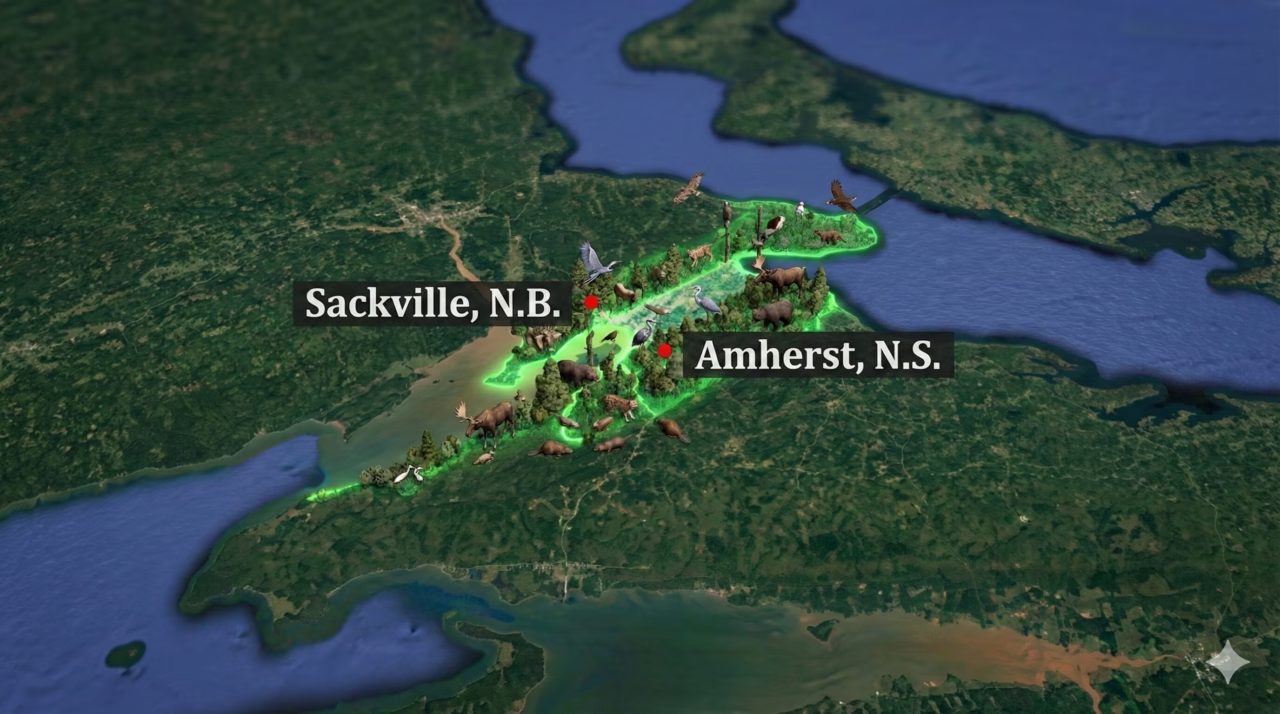
Popma asserted his position that the plant would undoubtedly be harmful to the the region’s wildlife. Following the meeting, Popma confirmed that in his view there is real risk to people living near the proposed site.
“Yes, absolutely. And the closer you are to the plant, I think the more significant that is.”
An informative night in the absence of NB Power’s presence in the community
Earlier in the session, attendees heard from Beverly Gingras of the Conservation Council of New Brunswick and economist Gregor McCaskill of Gardner Pinfold. Gingras focused on environmental impacts, including greenhouse gas emissions and groundwater use, while McCaskill examined the long-term financial costs of the proposed plant, questioning the reliance on an American-owned facility and the burden placed on ratepayers. Both urged residents to stay engaged as the project moves through provincial and federal review processes.
NB Power to address Tantramar
However, as up to December 17th, 2025, NB Power’s CCO Brad Coady and members of his team did attend a Special Tantramar Council meeting to take questions from the council.
Please continue to check with CHMA’s local news for upcoming updates.