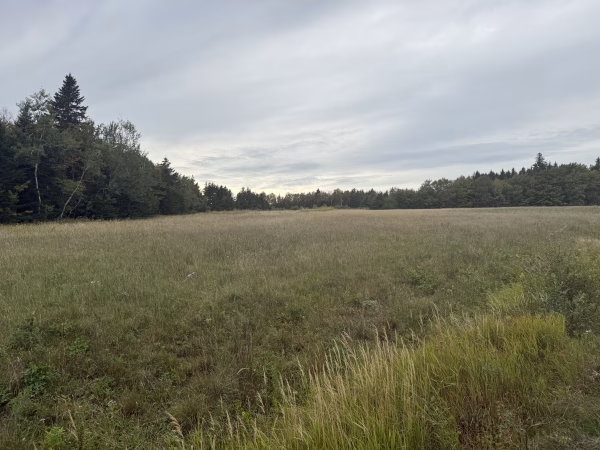

The 500-megawatt diesel and gas power plant proposed for Centre Village should legally fall under federal jurisdiction, according to a new release from the Protect the Chignecto Isthmus Coalition (PCIC).
The coalition contends that evidence shows the project is a transboundary issue between New Brunswick and Nova Scotia, and is calling on Beaséjour MP Dominic LeBlanc to review said evidence and coordinate with federal Environment Minister Julie Dabrusin to ensure a proper federal review is completed.
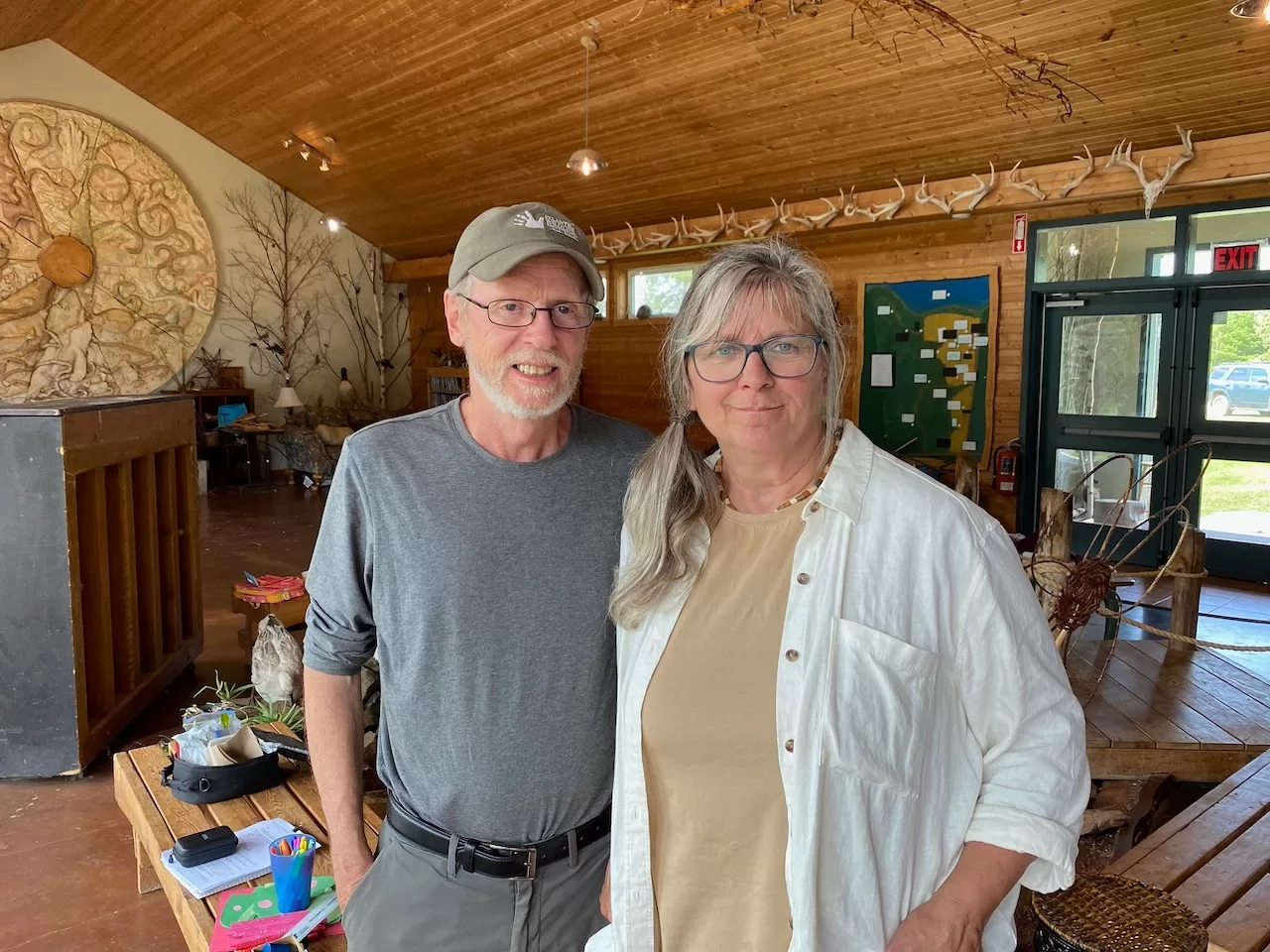
Barry Rothfuss, executive director of the Atlantic Wildlife Institute (AWI) and a representative of the PCIC, says it is clear to him that relying on the regulatory framework of New Brunswick alone is not enough and requires federal attention.
“ The review that is taking place now through the province of New Brunswick is, in my view, technically illegal. It does not address this from the standpoint of all of its impact perspectives.”
Transboundary issue
The argument hinges on a few pieces of evidence. Chief among them is a formal response the AWI received from Gilles LePage, New Brunswick’s environment minister, which stated that provincial authority restricts ground-level concentrations only within its own geographic borders.
The letter from the PCIC says a report prepared by Stantec—an engineering, architecture, and environmental consulting firm—for the project laid out a 2,500 square kilometre impact domain centered on the facility.
That means 30 per cent of the engineering grid extends over Cumberland County, including putting Amherst directly in the path of projected emissions and leaving Nova Scotia residents vulnerable, said Rothfuss.
”That requires federal intervention and federal standards to come into play here, by law. We have a transboundary issue taking place here on multiple levels.”
Further, Stantec’s models show ground-level concentrations of nitrogen dioxide and fine particulate matter (PM2.5) during a rapid cold-start sequence of the plant will exceed the national metrics of the Canadian Ambient Air Quality Standards established under the Canadian Environmental Protection Act. In the case of nitrogen dioxide, it will be almost three times as high.
Rothfuss also said the Stantec report uses some mathematical sleight of hand by using time-weighted averages to flatten out spikes that would exceed these federal caps by even larger amounts.
Instead, says Rothfuss, the regulatory assessments are only being done based on provincial requirements laid out in the outdated 1997 Clean Air Act, which was written before peaker plants like the RIGS project were first deployed in Canada.
Wastewater
On top of this, during the most recent regular Tantramar council meeting on July 14, NB Power vice-president Brad Coady confirmed the project had abandoned plans to dispose of wastewater on-site. He went on to say the facility would now ship it to the Halifax region for disposal.
Rothfuss told CHMA that wastewater, a corrosive chemical brine, would be a “toxic spill type of environment” if something were to go wrong during transportation, never mind the potential damage to water tables across provincial boundaries.
“ There are all sorts of hazards that can occur when they’re doing that, which can impact the entire regional water table,” said Rothfuss. “I think Amherst spent $5.5 million on their water system recently. All of that can be in jeopardy just by back flushing of that water.”
Indigenous involvement
When speaking to media after that July 14 council meeting, Coady confirmed the project did not secure any Indigenous equity agreement, and that it was not required as part of the regulatory processes with the Energy and Utilities Board or provincial department of environment.
However, given the utility has only been in talks with Indigenous communities in its own province, the PCIC says the New Brunswick government lacks any authority to conduct Crown consultations with potentially affected communities in Nova Scotia.
CHMA contacted Minister Dabrusin’s office and received an email response, stating the Impact Assessment Agency of Canada conducted an assessment of the Centre Village project and “decided at an early stage that no further assessment is required.”
Minister LeBlanc’s office did not respond to CHMA inquiries before publication.
While Rothfuss worries his pleas may fall on deaf ears at the federal level, he’s optimistic politicians will make the right decisions if the public continues to stay loud on the issue.
”In this particular instance, I think that we have to just continually hold their feet to the fire in relationship to what needs to actually take place from the standpoint of doing the right thing and not doing the politically expedient thing here.”