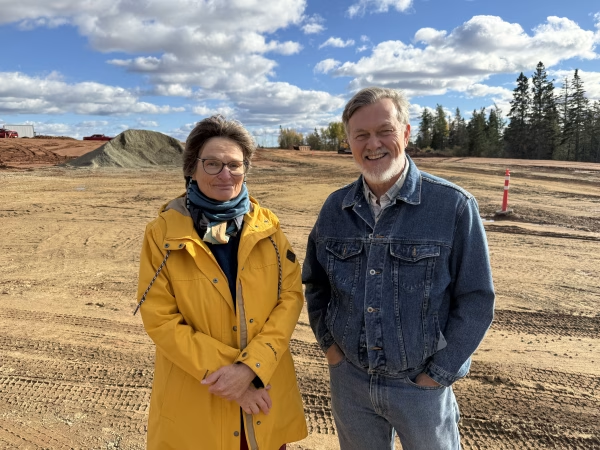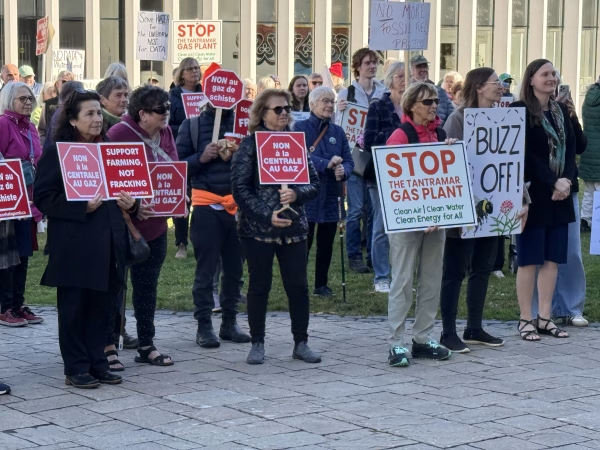

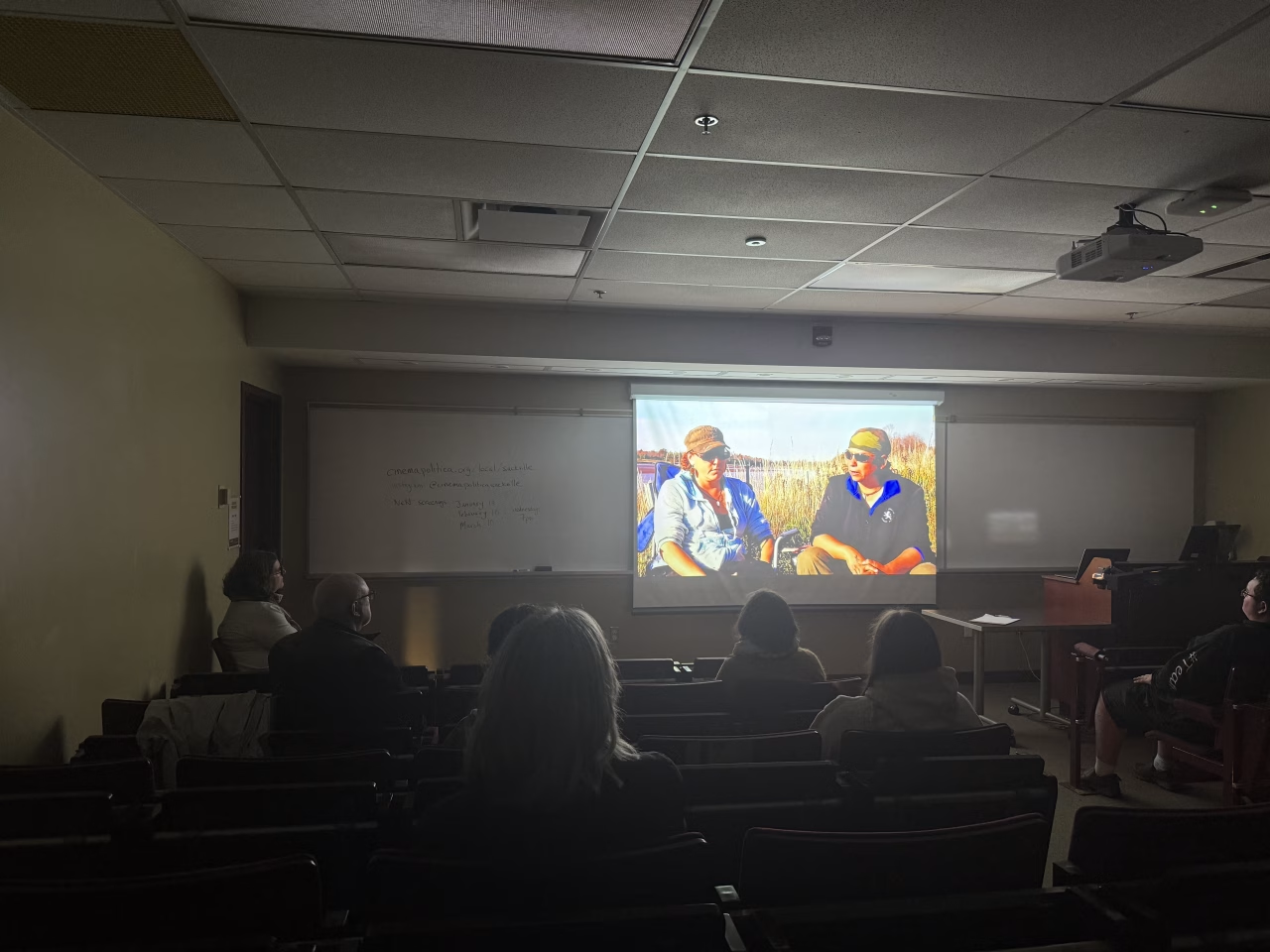
A proposed gas-and-diesel generating station near Centre Village was part of the reason Cinema Politica Sackville chose to screen three documentaries at Mount Allison University Wednesday night. Two looked at opposition to natural gas projects in the Maritimes, while the third followed student protests in Quebec.
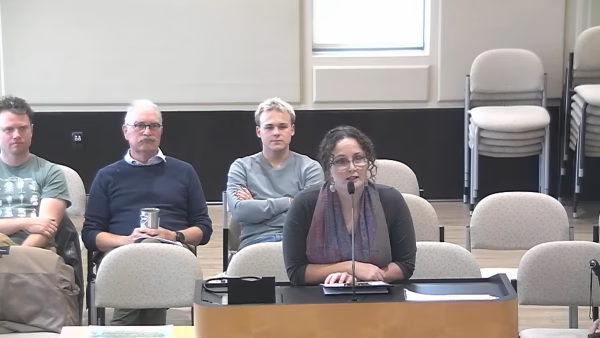
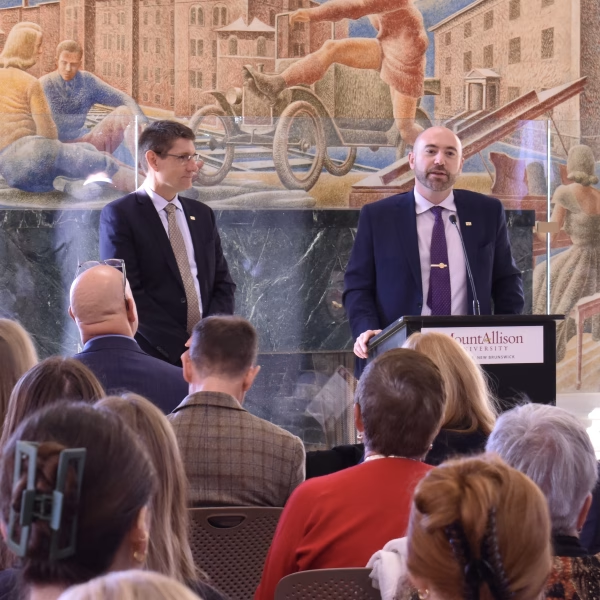
Cinema Politica Sackville returned to Mount Allison’s Sir James Dunn Building on November 4 for a free screening with Divest Mount Allison and the Mount Allison Feminism and Gender Studies Student Society. Dave Thomas helped revive the documentary series after several years away from Sackville. Audience members later shared their own experiences with protests, including demonstrations that hadn’t brought the changes they wanted.
“We were thinking, ‘Well, why don’t we pick some films that focus on the previous resistance to gas projects in this part of the country, so in New Brunswick and Nova Scotia, and to show that some were successful?'” Thomas said.
The screening opened with Mi’kmaq Resistance: Defend the Sacred, about the years-long fight against the Alton Gas project in Nova Scotia. Mi’kmaw grandmothers and water protectors opposed plans to use water from the Shubenacadie River to carve out underground salt caverns for natural gas storage. The process would have sent brine, a concentrated saltwater solution, back into the river. Protesters worried about harm to aquatic life, while Mi’kmaw communities also challenged the project over Indigenous rights. Alton Gas abandoned its plans in 2021.
Zachery Dube, a third-year Mount Allison student from Fort Folly First Nation, was thinking about the proposed generating station near Centre Village as he watched the documentary. He represents Indigenous students on the university’s Senate and Students’ Administrative Council. Dube questioned the project’s environmental effects and whether Fort Folly had been properly consulted.
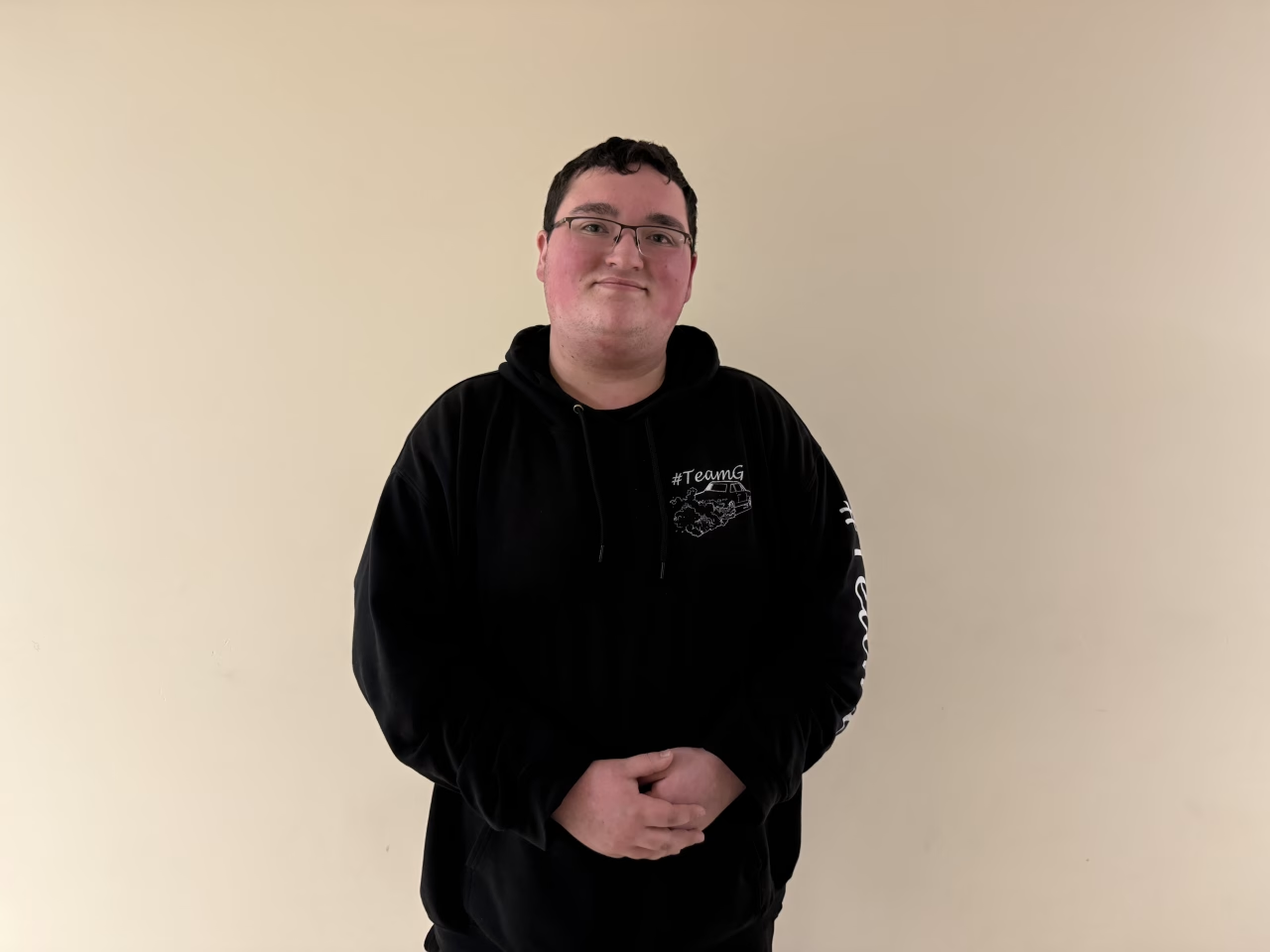
“When you look at Tantramar and the supposed gas plant that is being proposed, it’s still relevant because Fort Folly was not consulted by the power plant about construction and whether it’s a good idea to build there,” Dube said.
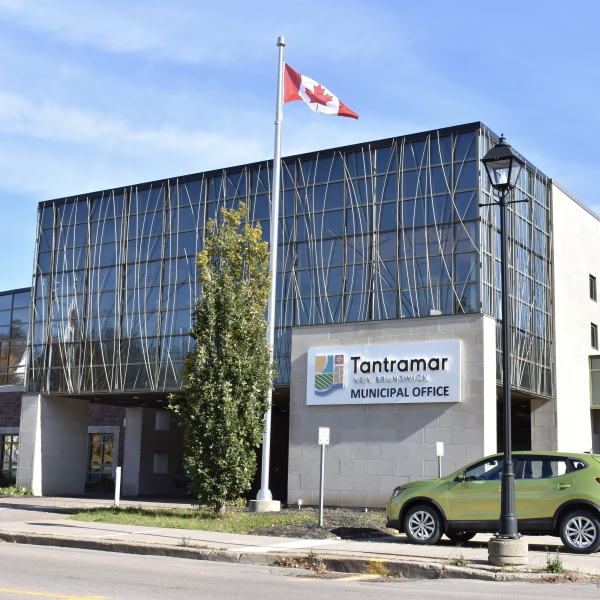
Consultation with Fort Folly has come up at Tantramar council before. In December 2025, Mayor Andrew Black questioned NB Power about its relationship with the First Nation concerning the project. The province has since said it completed its required Indigenous consultation, although Elsipogtog First Nation has challenged the adequacy of that process.
The two projects involve different uses of natural gas. Alton Gas wanted to store it underground, while the Centre Village proposal would use gas and diesel to generate electricity.
The screening then turned to New Brunswick’s shale gas protests with Water Warriors. In 2013, members of Elsipogtog First Nation and other residents blocked exploration work by Texas-based SWN Resources. Indigenous, Acadian and anglophone residents took part in the opposition, which included confrontations with police and arrests at the blockades.
The province placed a moratorium on hydraulic fracturing following the 2014 election. It remains in effect, but the government announced a five-month review of its conditions in August 2026.
Araby Smyth, an assistant professor in Mount Allison’s Department of Geography and Environment and a Cinema Politica organizer, remembered a young boy tending a sacred fire at one of the blockades. She said the moment showed how much work went into the protests beyond those standing at the front of demonstrations.
“What was striking about all three films was how people came together and cooperated and strategized and supported each other, and didn’t all take the same kinds of actions,” Smyth said.
The evening’s last documentary, Street Politics 101, followed Quebec students who spent months protesting proposed tuition increases in 2012. Thousands joined strikes and demonstrations in Montreal, and the proposed increase was cancelled after a change in government that September.
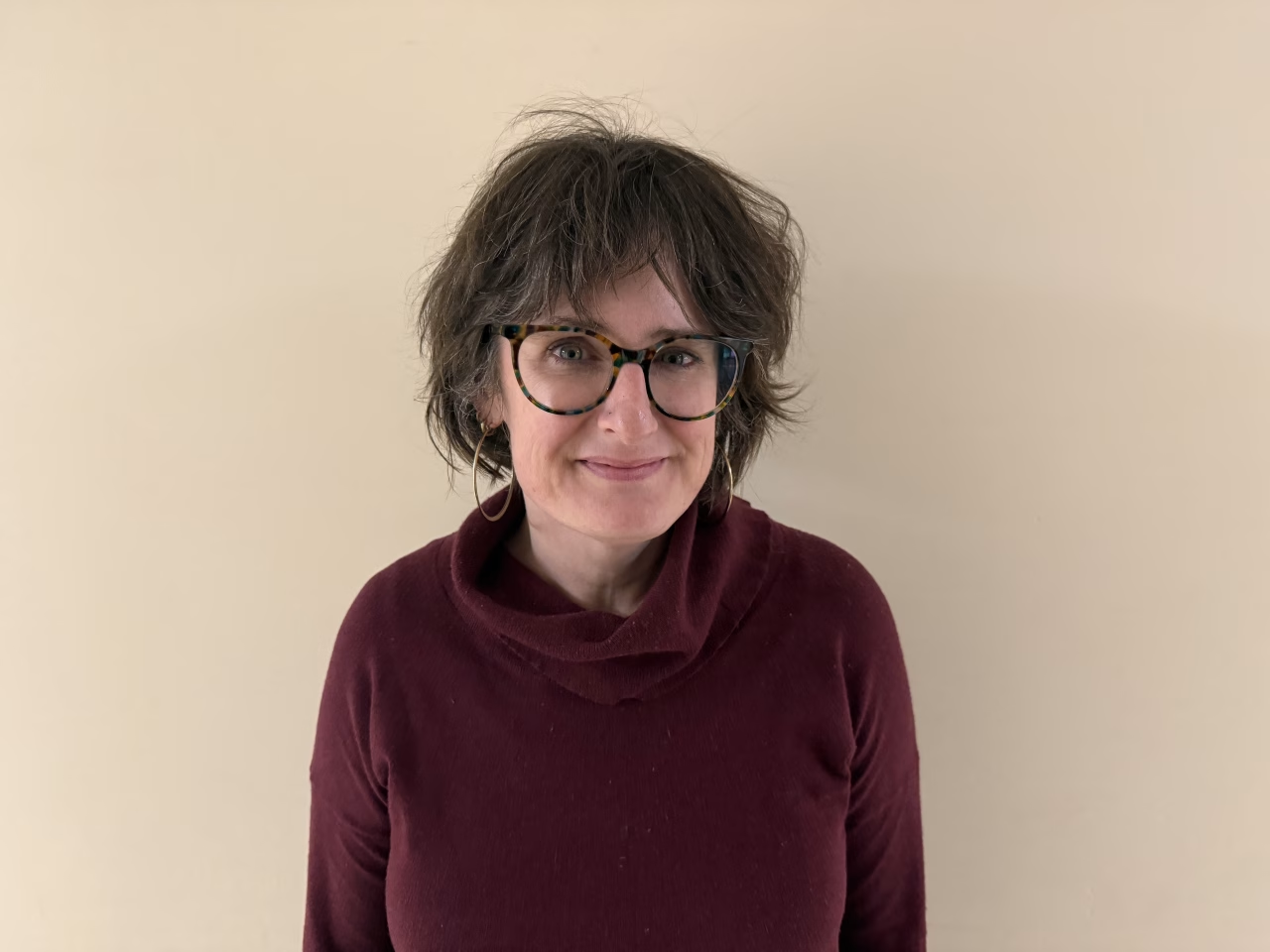
Simone Gagnon, a member of Divest Mount Allison and the Feminism and Gender Studies Student Society, said the Quebec protests were relevant to students at Mount Allison.
“If we’re struggling with student democracy and we feel like our rights are being taken away, the most impactful thing we can do as students is work together and organize,” Gagnon said.
Gagnon recalled a Divest Mount Allison demonstration near the end of the previous academic year. Students later met with university administrators but she said momentum faded when the school year ended.
Not everyone who spoke after the screening had seen the results they wanted from protesting. One audience member remembered joining demonstrations against globalization and the US invasions of Iraq and Afghanistan. Those demonstrations hadn’t stopped the wars but the attendee still saw value in making their opposition known.
One person brought up women’s voting rights and workplace protections, pointing to what earlier protest movements had accomplished. Another attendee spoke about how hard it can be to keep going when the problems they’re fighting seem beyond their control.
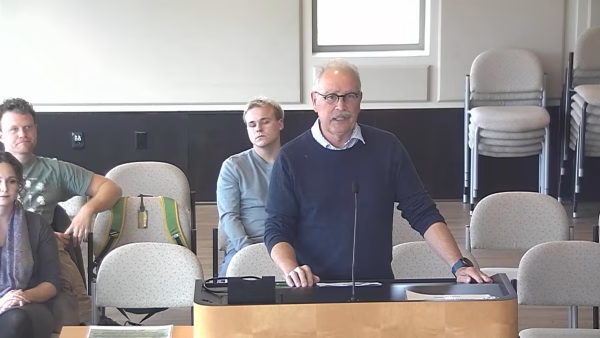
“It’s that tension, big picture, little picture, despair, hope, isolation, community, can, can’t, all those kinds of things happening at once,” one attendee said.
Thomas hopes Cinema Politica can become a place where Sackville residents learn about local issues and meet others interested in getting involved. The series operated in the community several years ago, and organizers are tentatively planning another screening for January.
For Smyth, part of the appeal is working with people who live nearby.
“I find it really valuable to meet people in the place that I live,” she said.
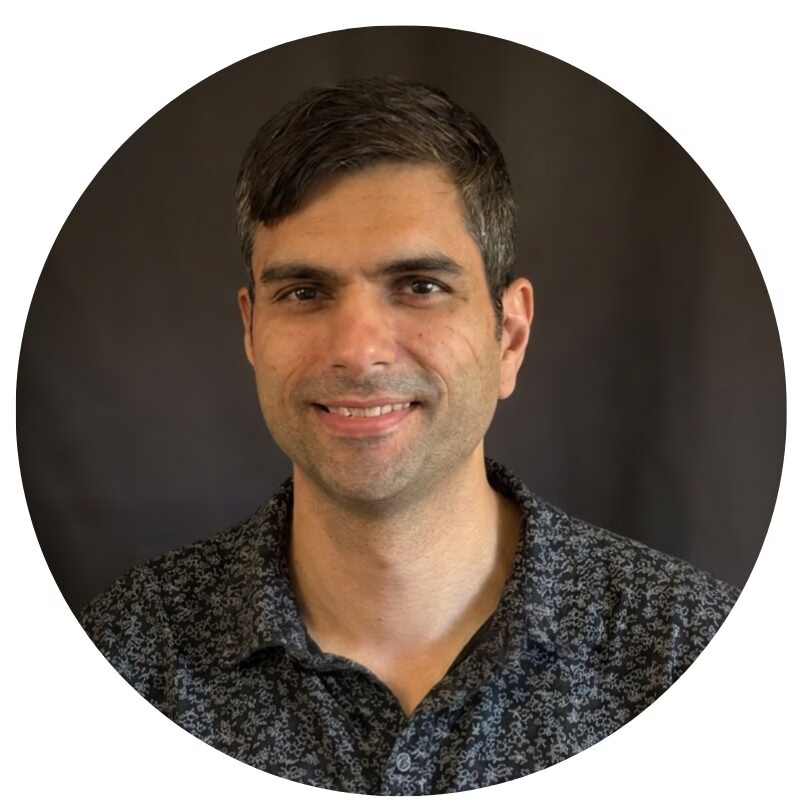
Theodore Ramharack holds a Bachelor of Arts in Political Science from Western University and a diploma in Broadcast Journalism. He recently completed an internship with CBC News’ The National.
Originally from Ontario, he moved to Sackville to join CHMA as a local journalist and is excited to get to know the Tantramar region and share stories from the community.