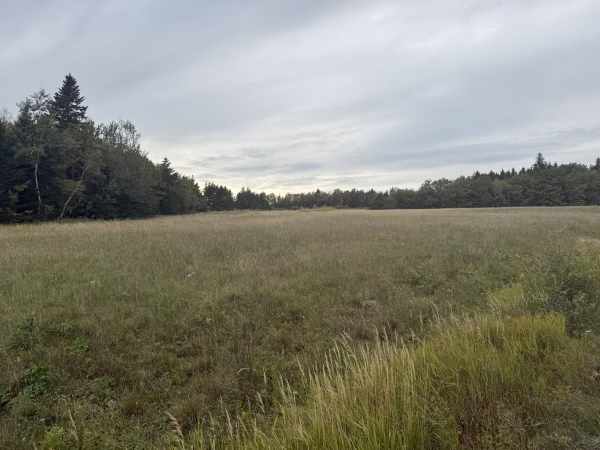

A section of the Sackville Waterfowl Park known as The Birches is expected to change over the next several years after signs of bronze birch borer were found on trees in the park.
Tantramar plans to survey the park’s birch trees in the coming weeks to determine how many are affected.
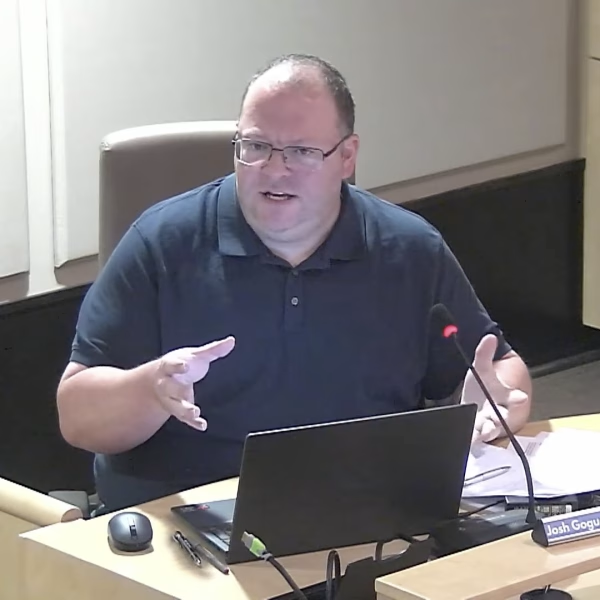
“I would anticipate, again, we would need to do that full survey to see the extent of the infestation, but I would anticipate over the next three to five years or so, the landscape there will change,” said Jamie Ferguson, Tantramar’s manager of Active Living and Culture.
Concerns about the trees began last year, when the municipality received a call near the end of the summer from someone who had noticed birches declining along the trails. Ferguson inspected some of the trees near the covered bridge and initially thought the decline appeared to be natural dieback. Many of the birches were already older, and the area had experienced drought conditions.
Last week, Woodpecker Tree Care found signs of bronze birch borer while removing a birch from a property next to the Waterfowl Park, Ferguson said. The company later posted about the issue on Facebook, saying many of the dying trees in the park are European weeping birch.
Ferguson inspected The Birches earlier this week after Woodpecker’s finding.
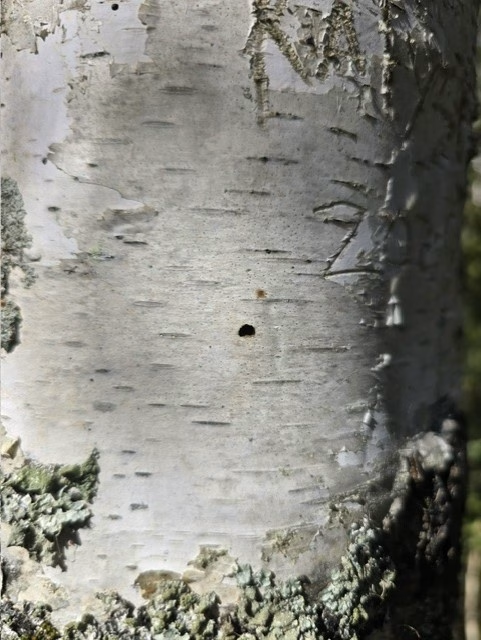
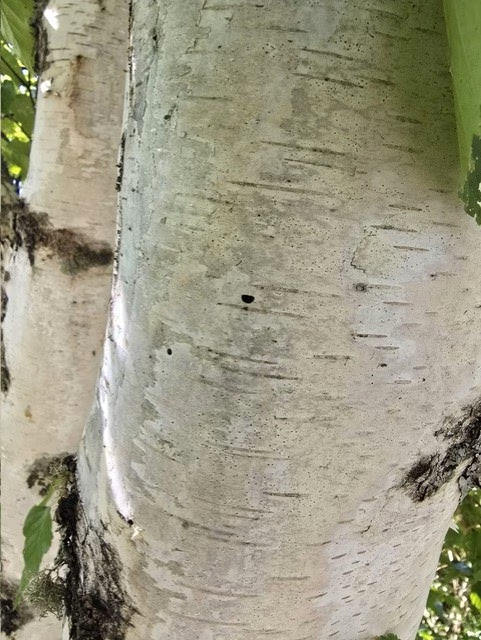
“The telltale sign of that insect is the D-shaped exit hole on the trunk of the tree,” Ferguson said. “Those trees that I had looked at earlier this week had those D-shaped exit hole signs on the trunks of a tree.”
During the upcoming survey, staff will identify the different birch species and check trees for crown dieback and D-shaped exit holes. That will give the municipality a better picture of how widespread the damage is and whether native birches are also affected.
Ferguson said European birches appear more susceptible to bronze birch borer. He said native birches have evolved alongside the insect and developed greater natural resistance.
Woodpecker said in its Facebook post that many of the European birches in the park self-seeded from material dredged during construction of the park.
Ferguson said older birches and trees weakened by drought are more vulnerable to the insect. Many of the birches in the park are already older trees and would be managed as they die rather than treated for the insect. Dead or dying trees that pose a hazard to park users would be removed.
“We wouldn’t want to go in and essentially cut everything down preemptively,” Ferguson said. “We would do it as risk mitigation as the birch trees die, and then plant things back in subsequent years.”
Ferguson said the municipality wants to keep birches along the trail, but future planting would favour native birches and a greater mix of tree species. He said having a large concentration of one species can leave an entire stretch vulnerable to an insect or disease that targets it.
One preliminary option is to plant silver maples as affected birches are removed. Ferguson said they live longer than birches, grow relatively quickly and are suited to the wet conditions in the Waterfowl Park. Native birches could be planted in future years as the bronze birch borer population declines.
Once the survey is finished, municipal staff will determine how to manage and replant the area before bringing the proposal to Tantramar council for review. The municipality also plans to use social media and signage in the park to explain what is happening to the birches and how the area will be managed.