
A new climate adaptation plan is headed back to Tantramar council in November, with councillors asking municipal staff to identify which of its recommendations would involve work beyond what the municipality is already doing.
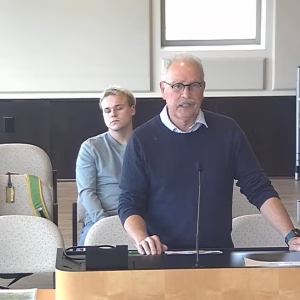
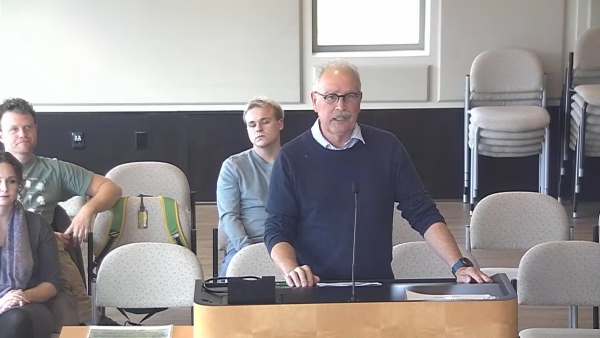
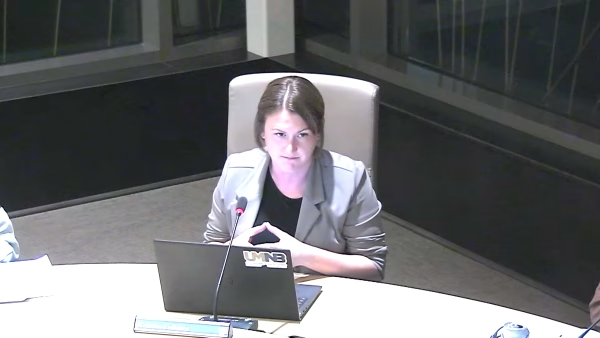
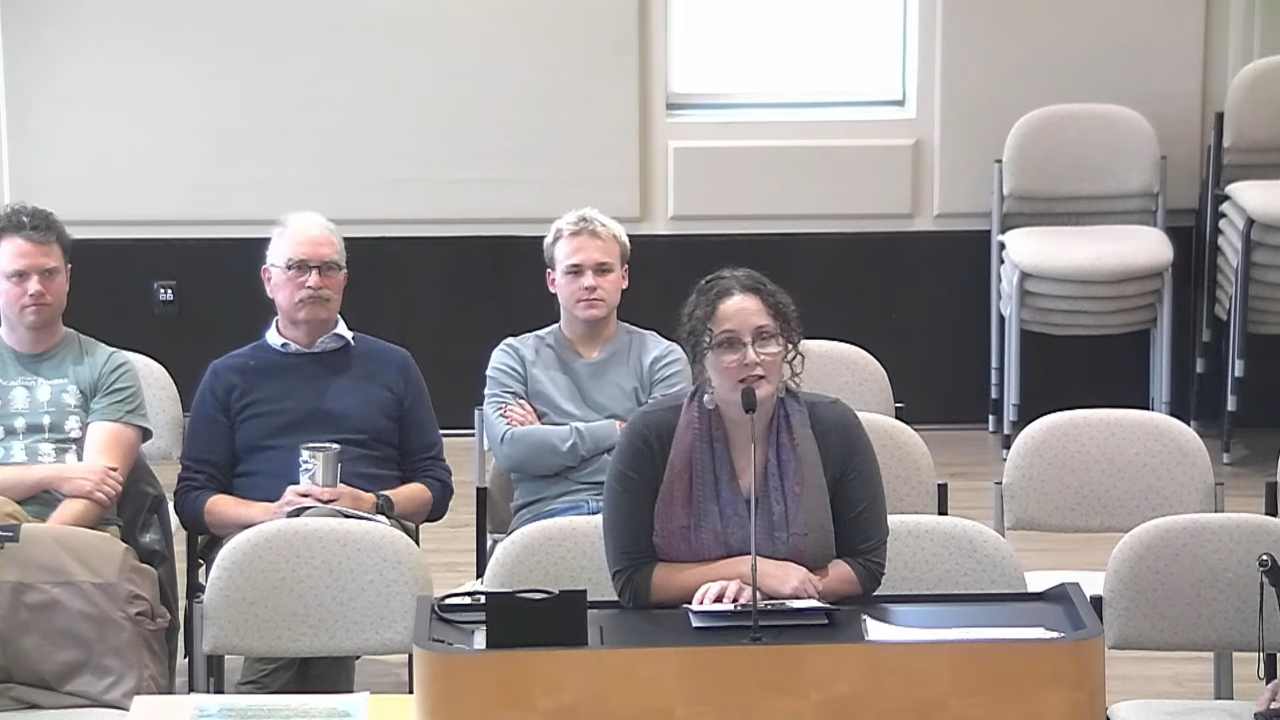
EOS Eco-Energy spent the past two years developing the document, which makes 52 recommendations for Tantramar. Executive director Brittany Cormier presented the findings at Monday’s Committee of the Whole meeting, where councillors also raised questions about the costs of putting the plan into practice.
“The last adaptation plans for Sackville and Dorchester about 10 years ago did not address heat, drought or wildfires. Risks are changing, as are the consequences,” Cormier told council.
Sackville and Dorchester each had their own adaptation plans before amalgamation, completed in 2016 and 2017. Both focused primarily on flooding. For the latest project, EOS worked with municipal staff and residents to look at climate risks throughout Tantramar, rather than limiting its work to the two former municipalities.
Flooding is still a concern, especially around the Chignecto Isthmus. Engineers from the AIM Network contributed an assessment of local infrastructure, looking at areas where rising water could damage roads or cut off access to nearby communities.
Shelters, flooding and stormwater management
The plan also addresses how residents would find shelter during emergencies. In Sackville, the Tantramar Veterans Memorial Civic Centre already serves that purpose, but a survey conducted during the project found that some residents were unaware of the facility’s role.
“Our climate change survey, our climate check-in survey, in the first year of this project demonstrated that many respondents weren’t aware of this,” Cormier said. “So there is some room for communications here.”
The plan recommends working with emergency management officials and the Canadian Red Cross to prepare the civic centre for use as a daytime comfort centre. It also proposes additional comfort centres in Dorchester and eastern Tantramar, where residents may have fewer nearby options during emergencies.
Water management is another concern. Cormier credited Sackville’s stormwater retention ponds with helping prevent flooding and also pointed to the Waterfowl Park as an example of how natural features can be used to manage stormwater. She also raised a question about water quality, noting that Sackville’s retention ponds have not been tested for E. coli.
“But if it were ever to reach high water levels, we should be aware of the health impacts that might follow,” she said.
Cormier also encouraged the municipality to consider stormwater improvements outside Sackville.
“But these are all in Sackville. Tantramar is bigger now, so there are more opportunities to improve stormwater management,” Cormier said.
The project also produced Tantramar’s first natural asset inventory, prepared by Mount Allison University GIS specialist Christina Tardif. The inventory identifies wetlands, forests and other natural features that can help protect communities from flooding.
Some of the measures discussed at the meeting are already underway. Councillors heard that 250 trees and shrubs had been planted at Beech Hill Park and Quarry Park. Cormier also mentioned public water-filling stations, which municipal staff have been adding and maintaining for residents to use during hot weather.
Councillors question costs and commitments
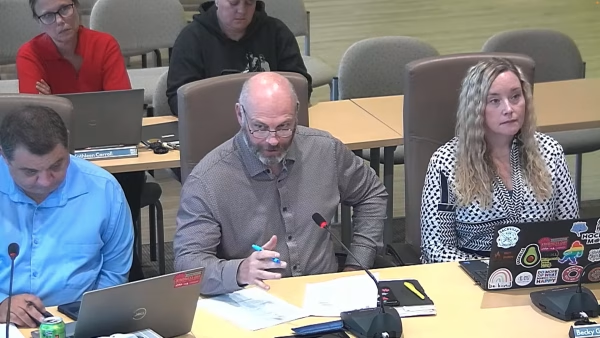
Deputy Mayor Josh Goguen wanted to know whether adopting the plan would commit council to carrying out every recommendation.
“So, with council adopting this plan, are we committing ourselves to achieving everything that’s in there?” he asked.
The plan includes indicators for tracking progress and proposes annual reviews to assess implementation. Cormier addressed Goguen’s question about what council would be committing to.
“No, this plan sets aspirational actions and goals for the municipality and for the community,” she said.
Goguen also asked about the potential costs. Cormier acknowledged that some high-priority measures could become more expensive if postponed, although EOS had identified funding opportunities that might help cover larger projects.
“These expenses are not all on the municipality either,” she said. “Part of the adaptation plan, we’ve mapped out funding opportunities that would help take the pressure off the municipal budget.”
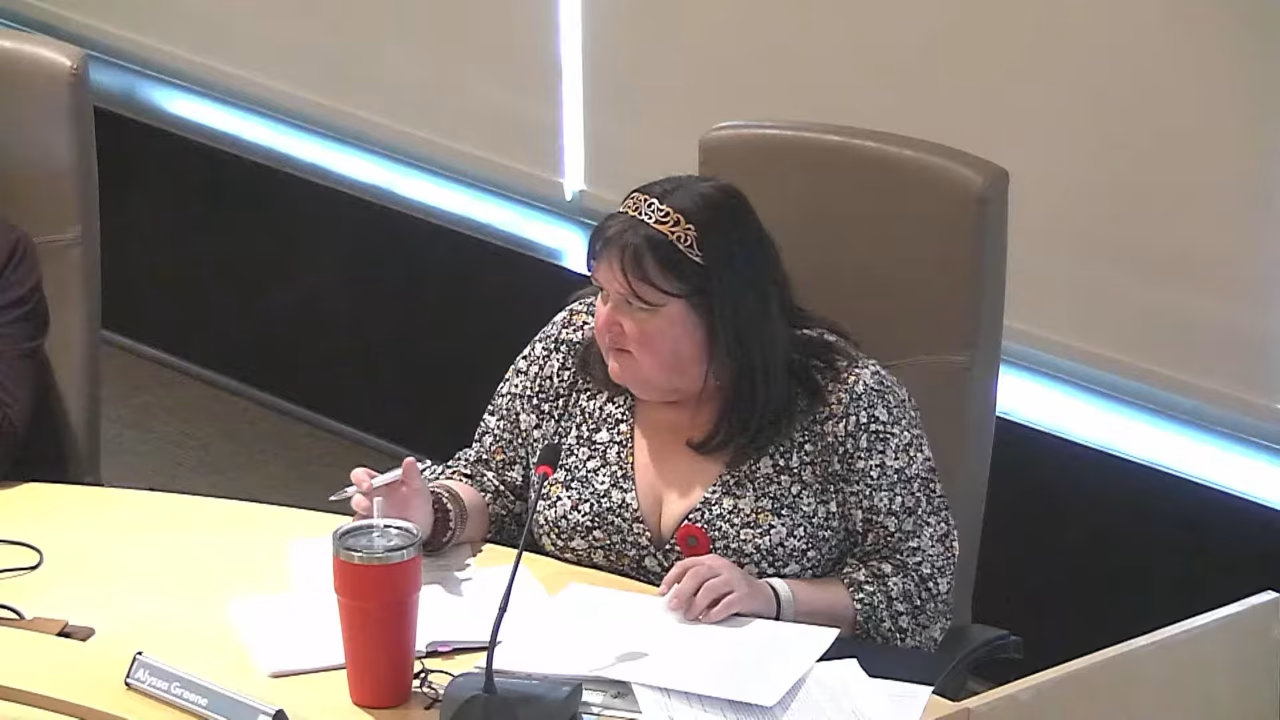
Councillor Alyssa Greene pointed to ongoing work on lift stations and equipment redundancies as council prepares for budget discussions.
“Like you said, we’re budget season, so everything’s coming down to dollars for me in my mind,” Greene said. “And so I’d like to see what we’re already working on, what we already have that fits into the scope of what we’re doing already, and then what doesn’t.”
Municipal staff said much of the requested information was already available from their review of the plan. They expect to compile it before the next council meeting.
The municipality received a $70,000 grant from the Federation of Canadian Municipalities to develop the plan. Staff said Tantramar’s contribution was capped at $12,400, with the project expected to finish under budget. Those figures relate to preparing the document, not the cost of carrying out its recommendations.
Plan returns to council in November
Municipal staff also reported receiving additional feedback through the North Shore Mi’kmaq Tribal Council following earlier consultation with Fort Folly First Nation. They intend to incorporate that input before the plan returns for consideration.
Council voted to bring the document forward as an administrative report at its November 10 regular meeting rather than placing it on the consent agenda. Staff expect to provide the additional information about existing projects and possible new responsibilities before councillors consider adoption.