
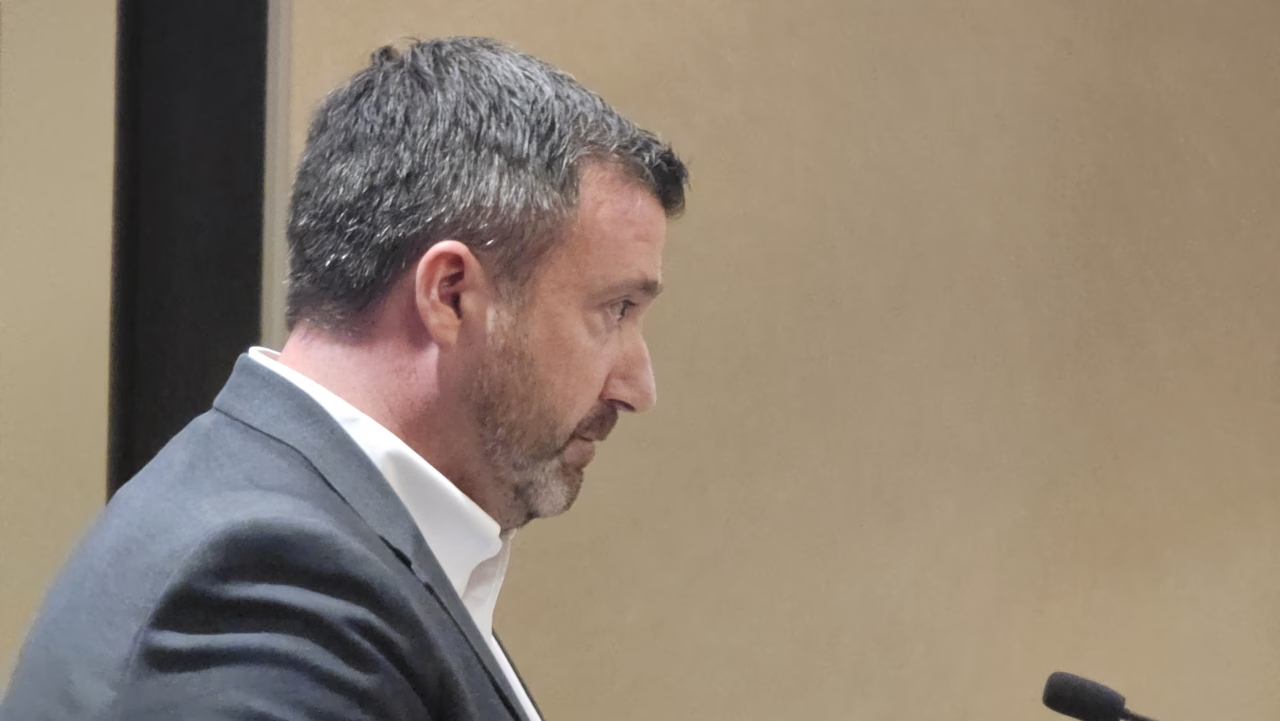
After months of ‘calls’ for an appearance, NB Power emerges to speak to Tantramar
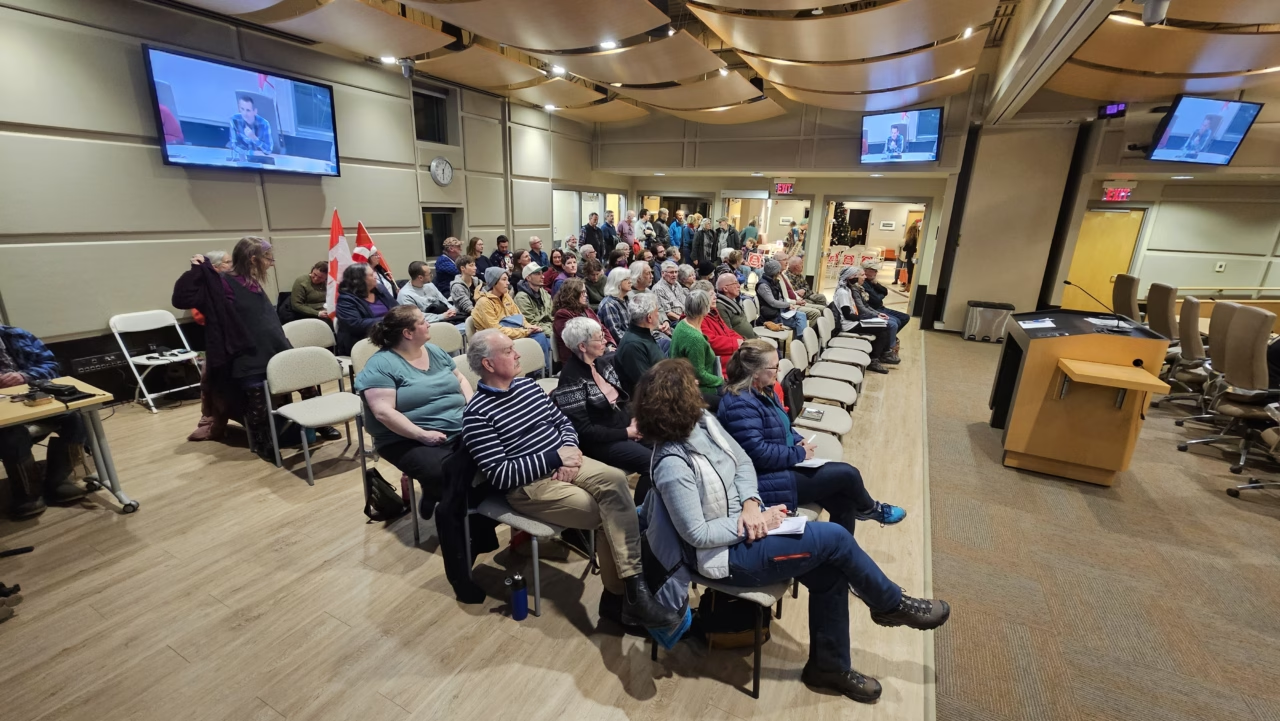
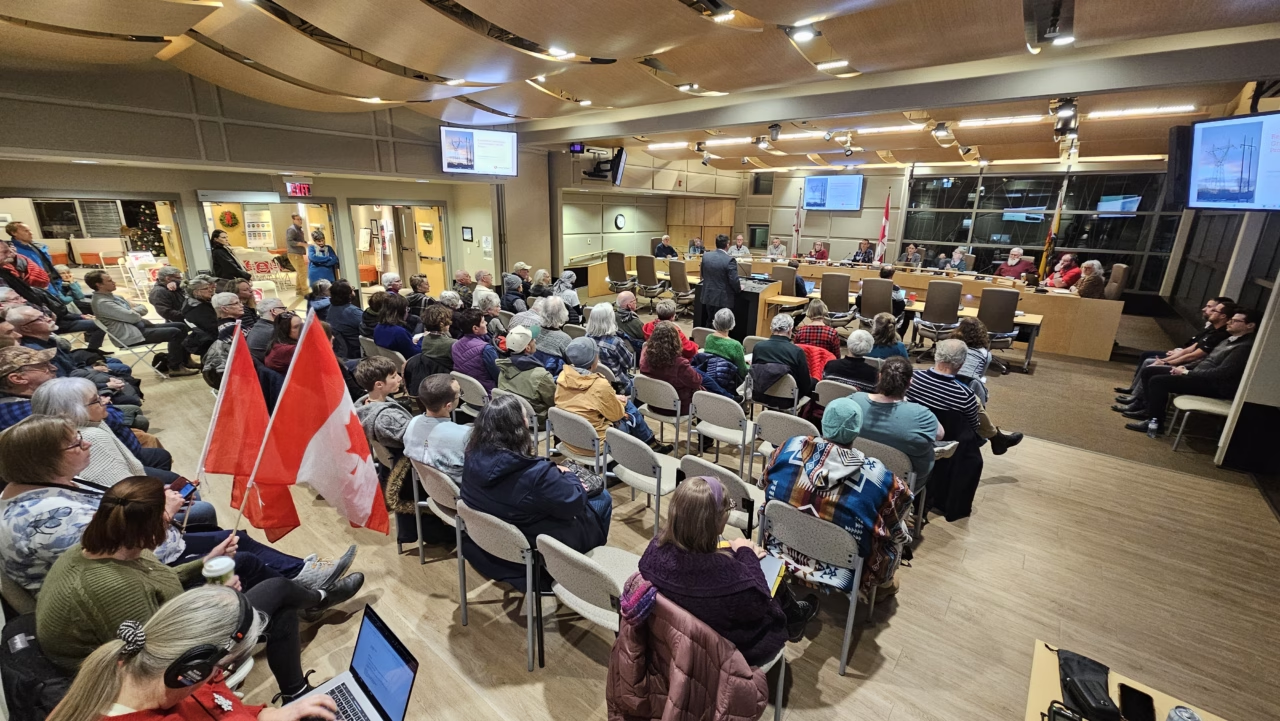
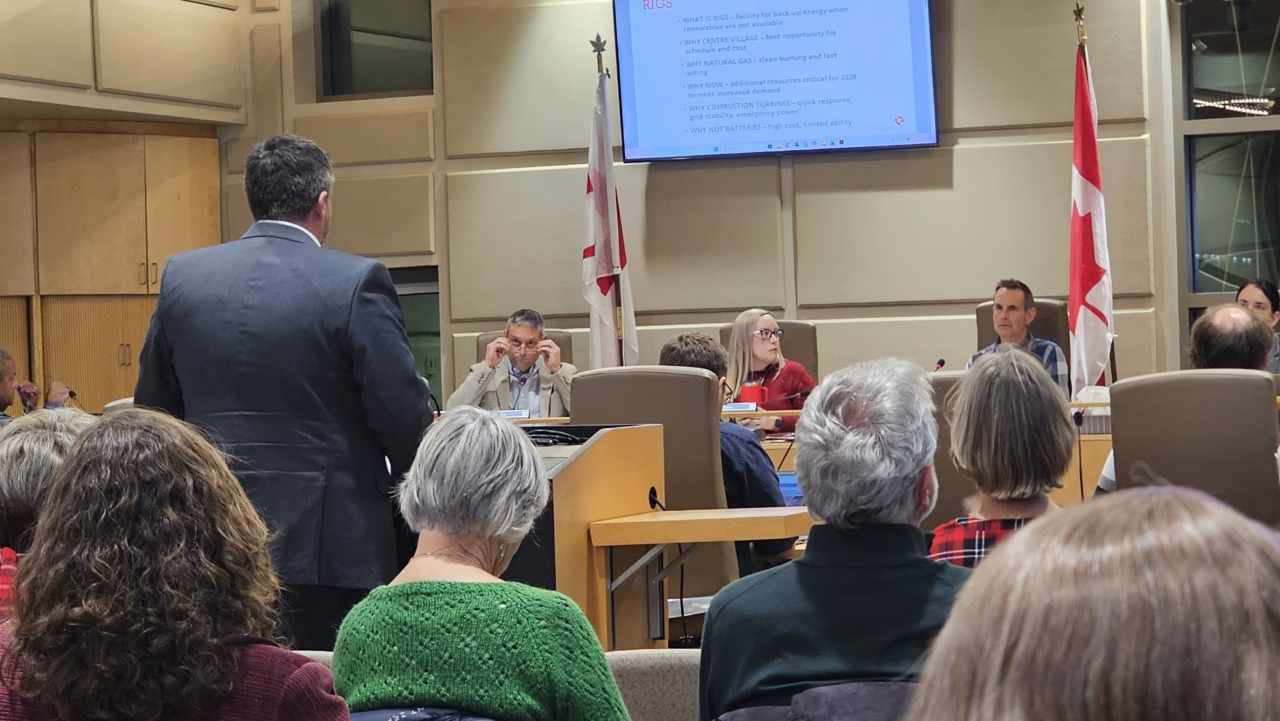
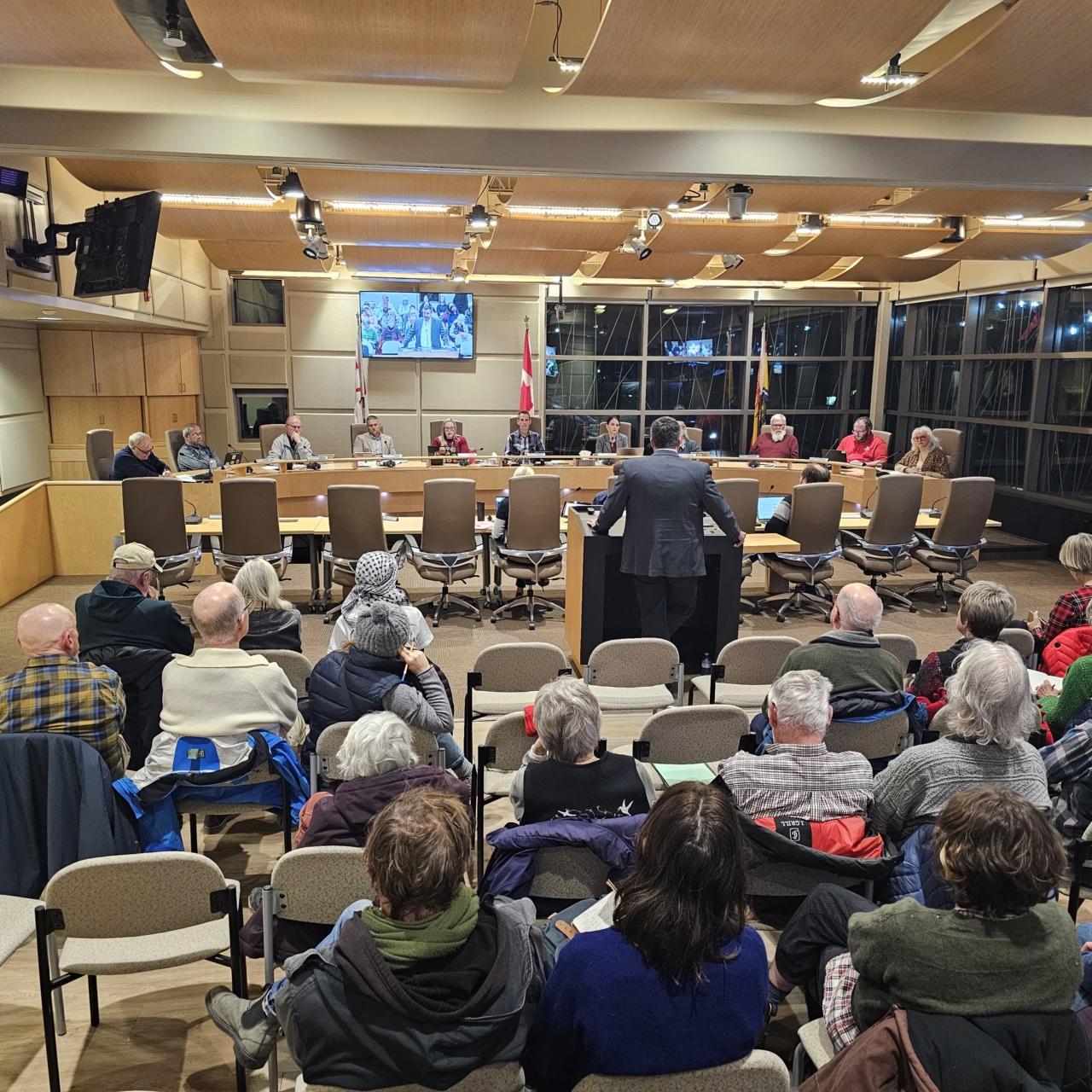
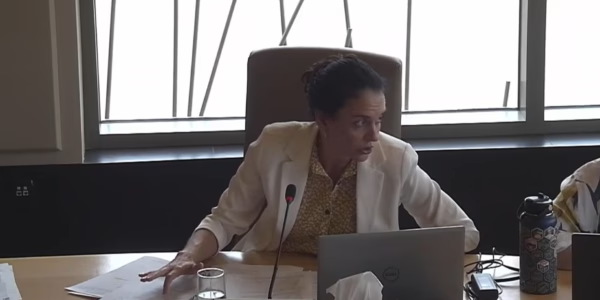
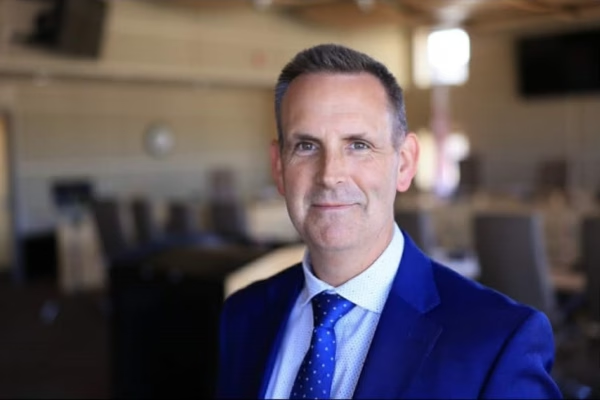
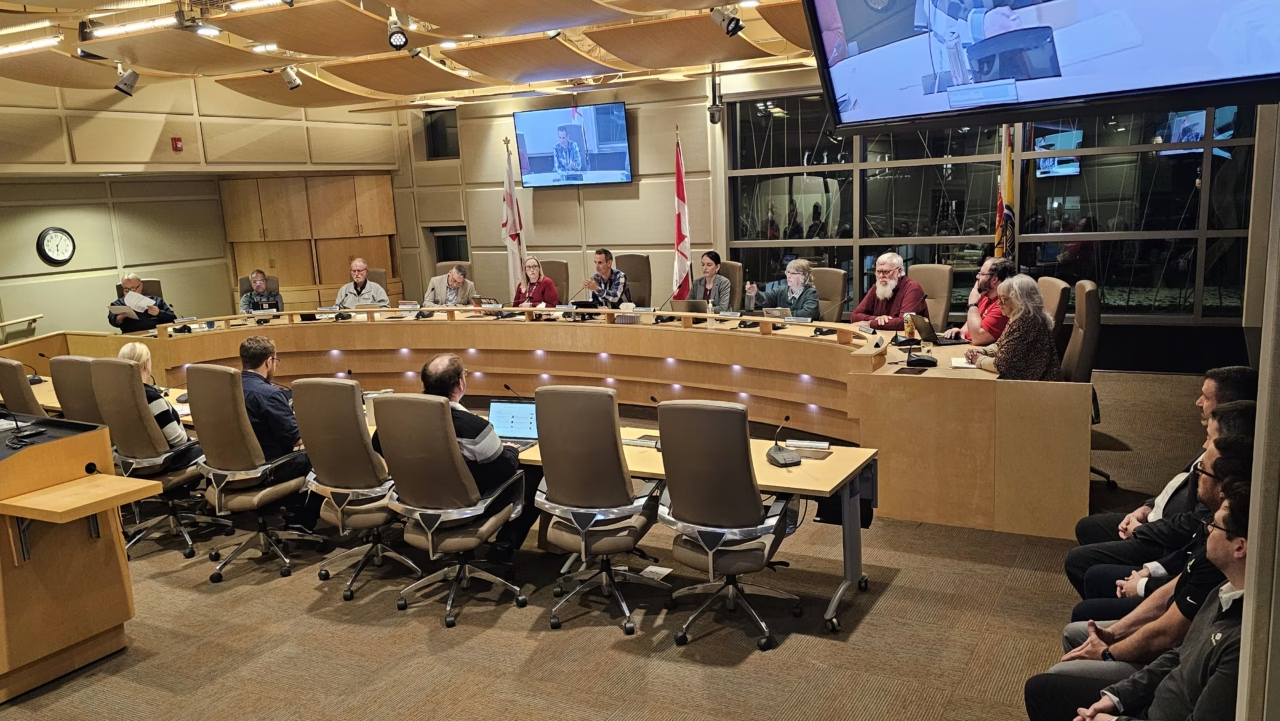
NB Power executive Brad Coady faced nearly two hours of questioning from Tantramar council on Wednesday night, as councillors pressed for answers about a proposed gas turbine facility planned for Centre Village, within the Chignecto Isthmus.
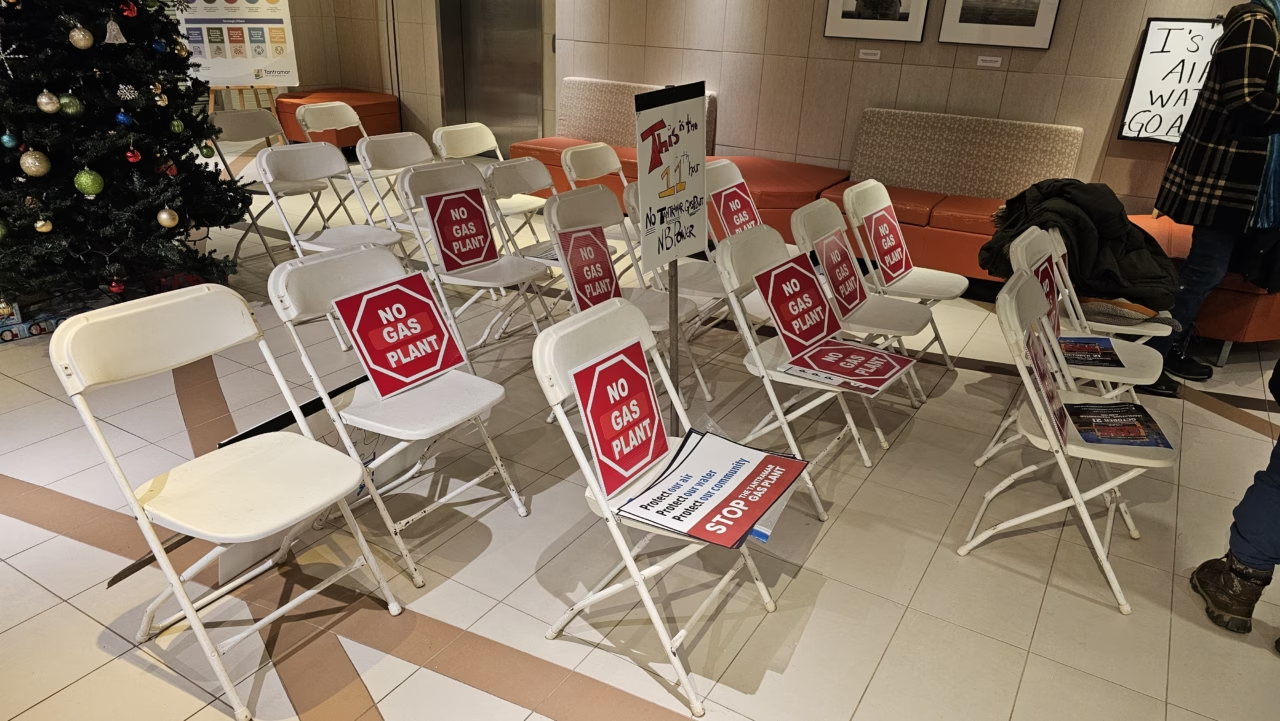
The special meeting was called after weeks of public concern following NB Power’s July announcement of the Renewable Integration and Grid Security project, known as RIGS. Both council and residents have said they learned about the proposal through a press release, rather than direct consultation.
Hear the audio below:
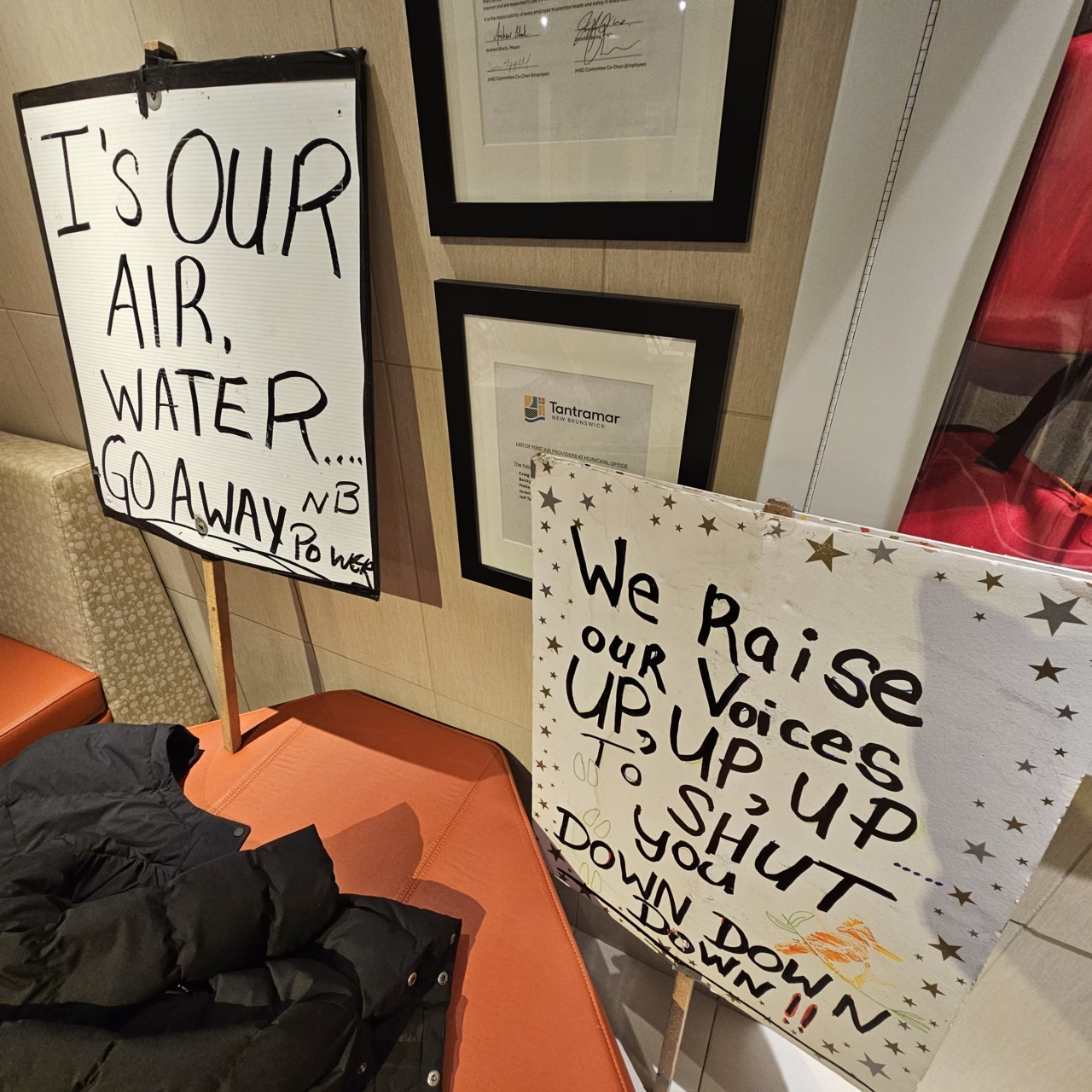
Before any technical discussion began, Mayor Andrew Black spent more than seven minutes laying out strict ground rules. He reminded members of the public that bylaws prohibit signs, clapping, and disruptions in council chambers, and instructed councillors to limit themselves to single questions rather than extended commentary.
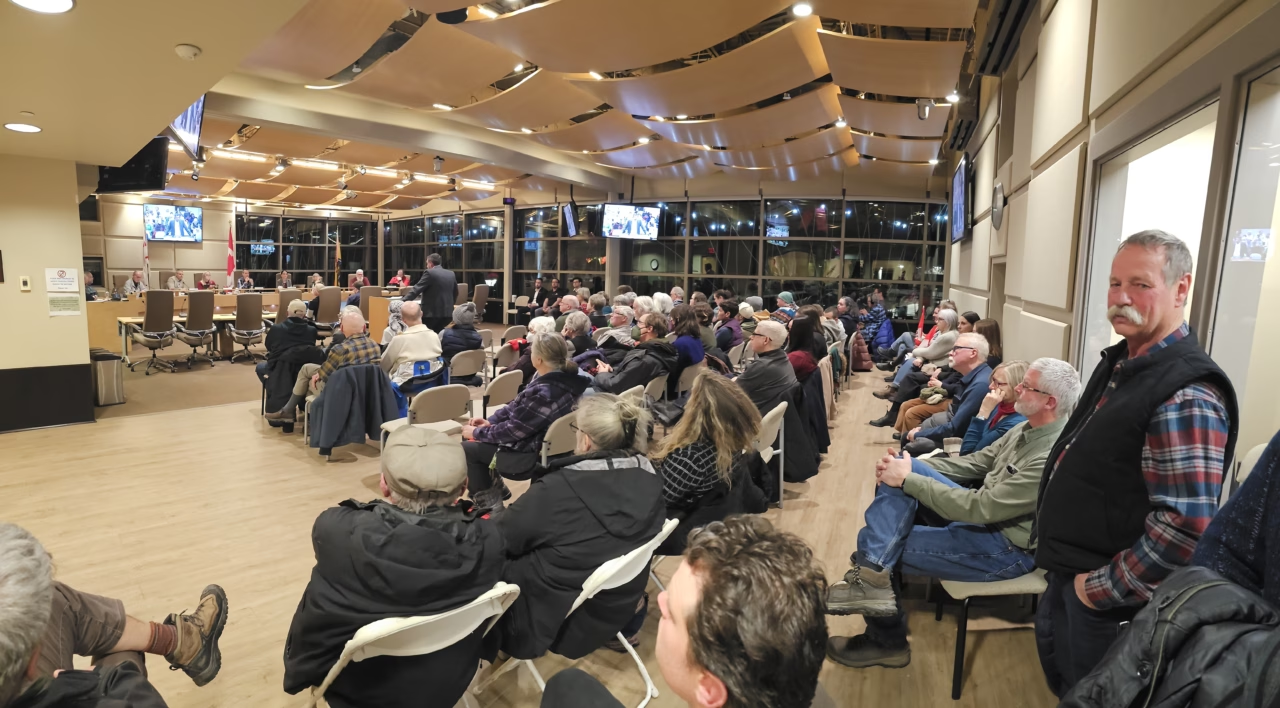
“Disruptions will cause maybe not as many questions to be asked,” Black said. “We’ve asked for this opportunity. You’ve asked for this opportunity. And NB Power is here.”
“It’s complicated”
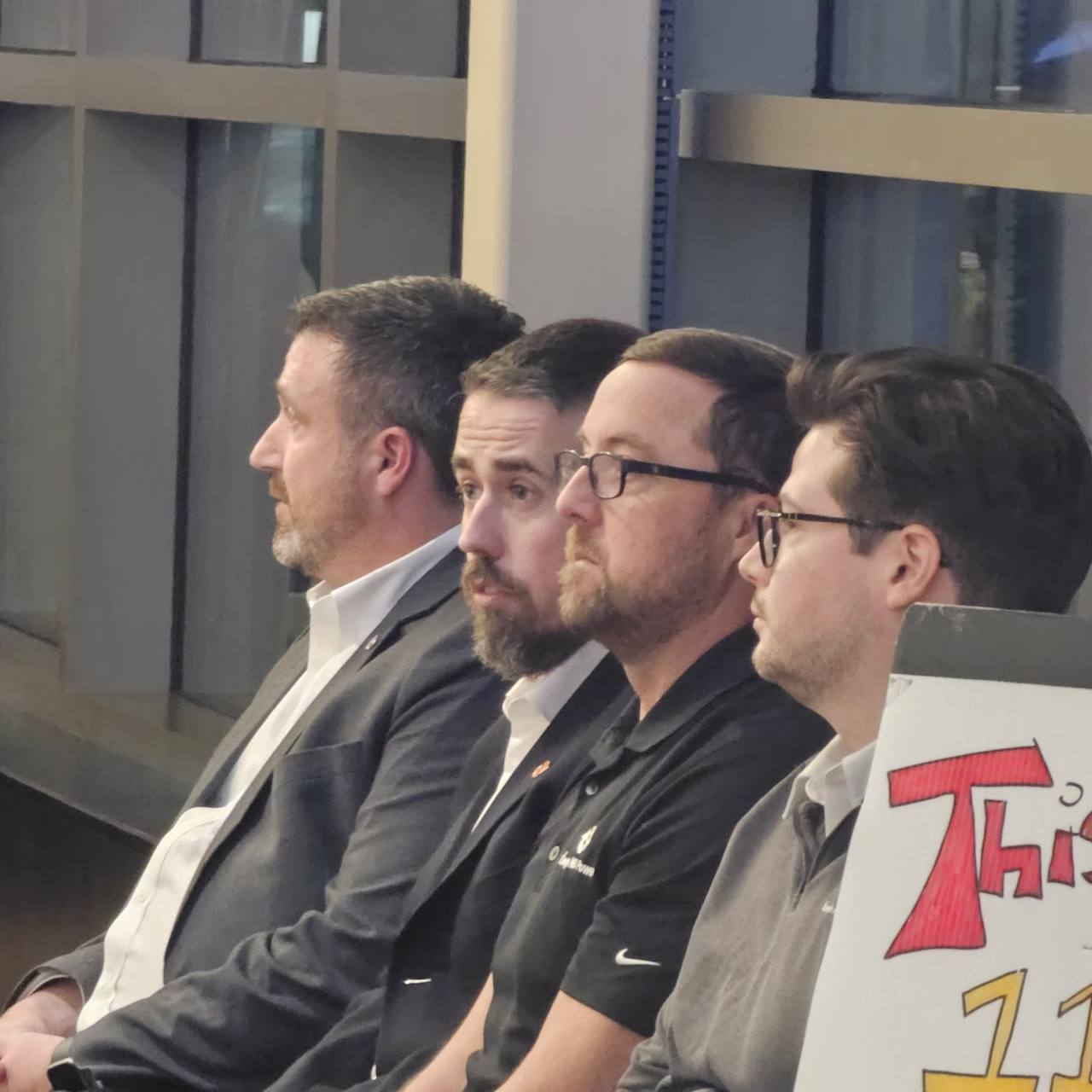
NB Power’s chief commercial officer Brad Coady led the presentation. He was joined by three other NB Power staff, including environmental manager Matt Gorman. NB Power’s Indigenous relations representative was not present.
With only five minutes allotted, Coady framed the proposed facility as technically complex and time-sensitive.
“The RIGS project stands for Renewable Integration and Grid Security,” Coady said. “We’re not talking enough about the renewable integration piece of this.”
Coady described the facility as a hybrid system designed to stabilize the electrical grid as more wind and solar power comes online. Central to that argument was what he called synchronous condenser technology, which does not burn fuel and produces no emissions.
“It does not use any natural gas or emit any emissions whatsoever,” he said. “It allows the grid to have more renewables than otherwise we would.”
He said the Centre Village site was chosen because it is one of the few places in the province where existing transmission lines and the Maritimes & Northeast gas pipeline intersect on a single parcel of land.
“We scoured New Brunswick for the right site,” Coady said. “There is no ideal site for a project like this.”
Why not batteries?
Several councillors questioned why battery storage was not being prioritized instead of gas.
Councillor Josh Goguen pointed to NB Power data showing that peak demand occurs in short morning and evening windows.
“These critical times being between seven and nine on cold days sounds like the perfect candidate for battery storage,” Goguen said.
Coady said battery storage had been studied extensively, but current technology cannot address multi-day reliability risks.
“The longest spell we went without appreciable wind in 2024 was 71 hours,” he said. “Batteries are good for four hours. What happens on day three?”
He also warned that New Brunswick’s power system has already come close to its limits.
“We had many days that we were very close to running out of power in New Brunswick,” Coady said. “We were down to our last maybe one to 200 megawatts available in terms of additional supply. And it’s not even in the heart of winter yet.”
Indigenous consultation raised early
The absence of NB Power’s Indigenous relations representative did not go unnoticed.
Black asked directly about consultation with Fort Folly First Nation.
“They are an incredible partner to our community,” he said. “What does that relationship look like around this project?”
Coady acknowledged past shortcomings.
“We didn’t always do things the right way,” he said. “We’re trying to learn from those mistakes. Our ears are open.”
‘East Coast courtesy’ and communication breakdown
Black repeatedly returned to what he described as a breakdown in trust and basic communication.
“To find out through a press release – for a project this big and this controversial – was shocking,” he said.
Coady agreed the municipality should have been informed earlier.
“That was a miss,” he said. “There was no intent to disrespect the municipality, but it fed mistrust.”
Water, risk and liability
Water protection emerged as one of the most emotional topics of the night, with councillors raising concerns about wells, aquifers, drought, and long-term impacts.
“You can’t drill a well and expect there to be no impact,” Coady said.
Gorman said groundwater studies are required before any environmental approval is granted.
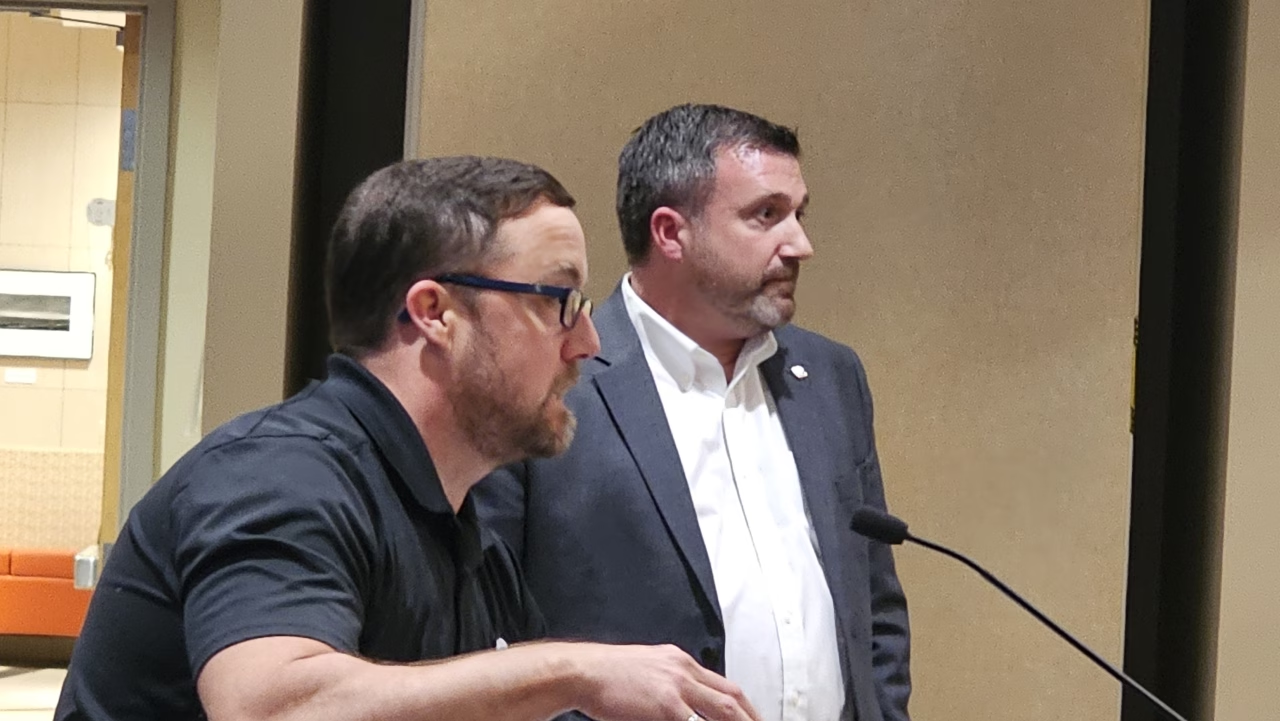
“There is no way to get an environmental determination without answering that question,” he said.
Councillors also asked what would happen if contamination or other environmental harm occurred years later.
“If something shows up in testing and it becomes unsafe for people, that would cause us to rethink the entire project,” Coady said.
Why was NB Power so surprised?
In his intro, Coady cited how suprised NB power had been by provincial growth and demands. After the meeting, Coady told CHMA News: “There’s a difference between plans to grow population and actually seeing the population grow.”
He pointed to rapid growth between 2020 and 2024, calling it unprecedented in modern provincial history.
“If you were to look at quarter over quarter growth in New Brunswick, we would’ve seen numbers that we have not seen in a long time… post World War II times,” Coady said.
He added that regulators require real-world data before approving major infrastructure projects.
“We actually have to see the numbers and see the science to back it up,” he said.
How will this be decided?
Despite the intensity of the discussion, Tantramar council did not approve or reject the project.
The RIGS facility must still undergo provincial environmental assessment, technical review, and hearings before the New Brunswick Energy and Utilities Board.
Coady warned that delays could push the project’s in-service date past 2028.
“If this slips, the consequence is energy shortages starting as early as 2028,” he said.
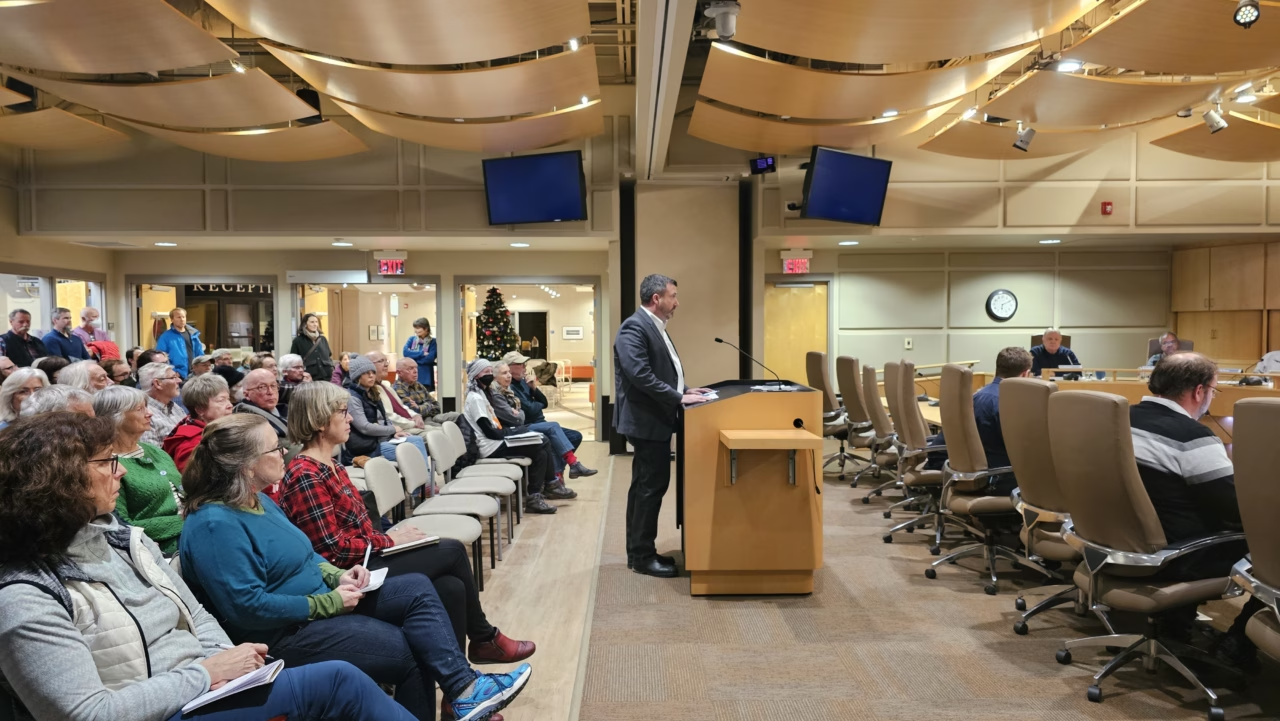
Council adjourned just before 8 p.m. Further public hearings are expected in January 2026.