

NBTA says recruitment and retention remain key issues
More than 200 teachers are expected in Fredericton this weekend for the Annual General Meeting of the New Brunswick Teachers’ Association.
Hear the story below:
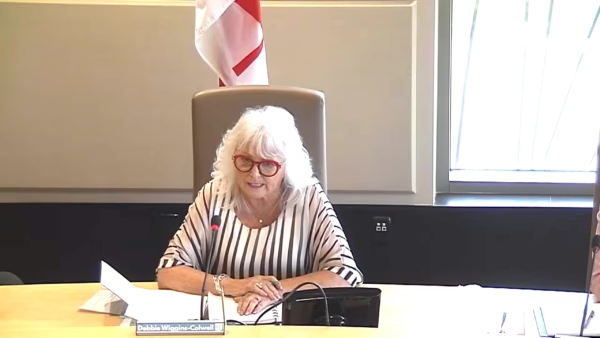
Ahead of the gathering, the association held a press conference Thursday focused on teacher recruitment, retention, and broader pressures facing New Brunswick’s education system.
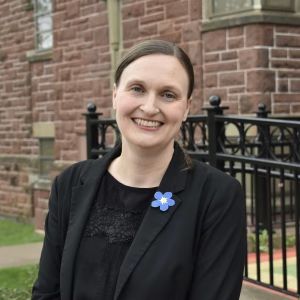
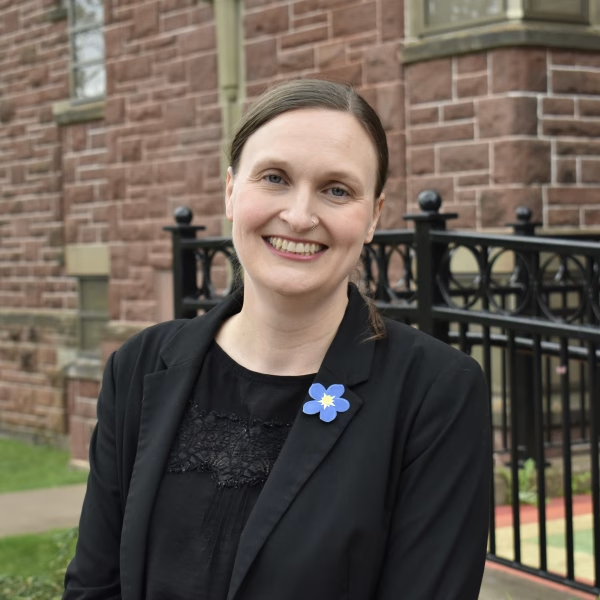
Heidi Ryder is president of the NBTA. Ryder said the organization wanted to use the end of the school year to highlight ongoing challenges in classrooms across the province.
“We have over 200 teachers who will be joining us here in Fredericton shortly to debate resolutions and talk about important issues to teachers.”
Certified teacher shortages remain
Ryder said the province continues to face staffing shortages in schools.
“We still have almost 200 classrooms that do not have a certified teacher.”
Ryder also said many teachers are approaching retirement, while a significant number of educators are still early in their careers.
“We know that we’ve got a lot of teachers who will be leaving the system, and we also have, you know, 27 per cent of our teachers are in those first five years, and those first five years are so critical.”
According to Ryder, retention is becoming one of the most important parts of the staffing conversation.
“We know that there is a retention problem, that five years is when we’re losing them.”
Education plan and regional concerns
The comments come as New Brunswick prepares to implement a new Anglophone education plan next school year.
The province has also been reviewing questions around rural schools and long-term sustainability within the education system.
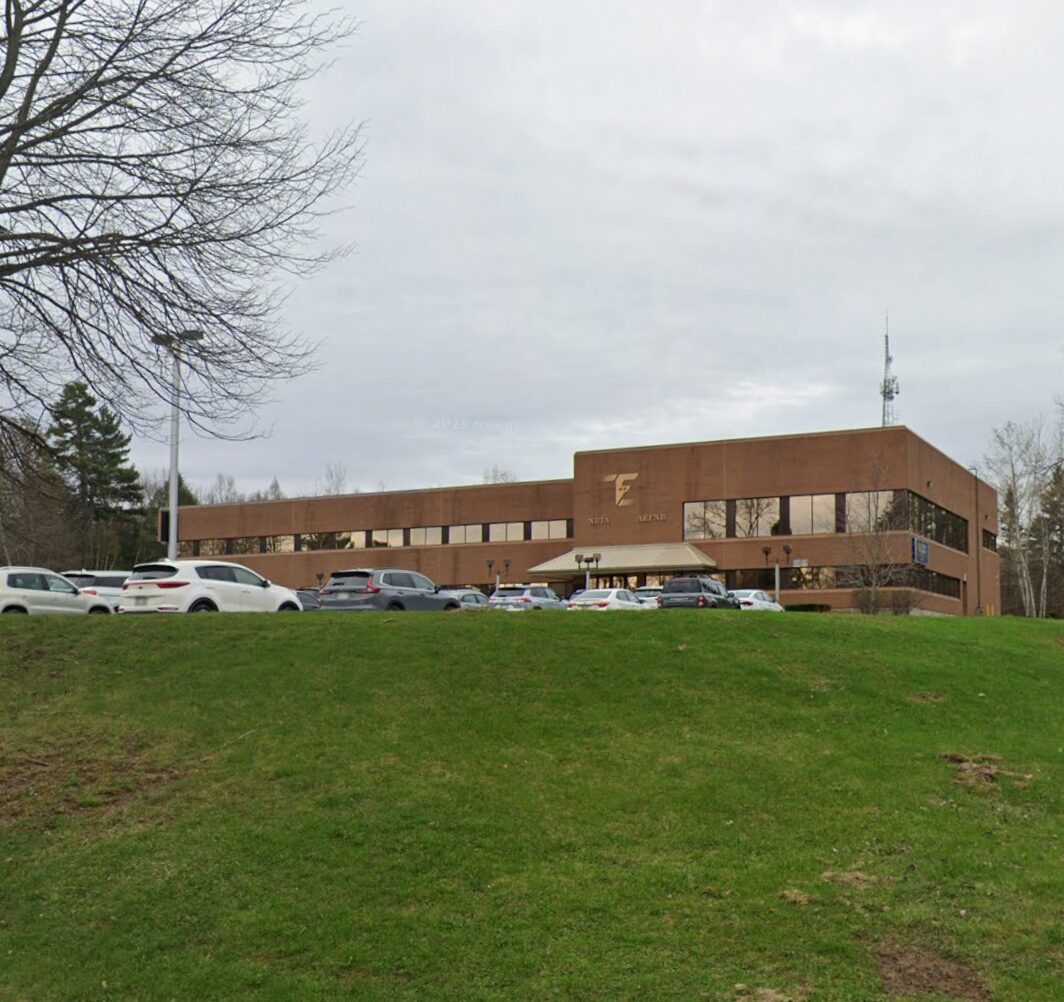
While Ryder did not directly discuss school closures during Thursday’s press conference, she tied student success to staffing levels, resources, and regional equity.
“We need funding and resourcing frameworks that better reflect the socioeconomic and regional differences, so students and communities all across New Brunswick have those equitable opportunities to succeed.”
Pilot schools and classroom pressures
Ryder gave examples around pilot schools where teachers have additional time for collaboration and preparation as one possible step toward improving retention as one way to address retention.
“We’ve seen that in the pilot schools where, you know, they have time to collaborate, they have time to meet with other professionals, they have time to really do the work that will help them best serve their students.”
Ryder also pointed to classroom complexity, workload, working conditions, digital technology, and artificial intelligence as ongoing pressures facing educators.
“The average teacher in New Brunswick is closer to retirement than the beginning of their career, and within five years, 25 per cent of the Anglophone sector teachers are likely to retire.”

Clinton Davis is a community journalist and audio producer covering the people, events, and ideas shaping the Tantramar region.