
Election-period concerns and internal divisions surface during April 14 meeting
Tantramar council has dismissed two code of conduct complaints involving elected officials, including one tied to alleged campaign-related activity by the deputy mayor.
Hear the story below:
The decisions came during the April 14 council meeting, where both complaints were reviewed publicly under a newer conduct process. In each case, council determined the complaints did not meet the threshold for a violation.
Complaint against councillor Allison Butcher dismissed
The first complaint, filed by councillor Bruce Phinney against councillor Allison Butcher, was reviewed under item 5.4.
Mayor Andrew Black outlined the process before discussion began.
“We’re gonna review this complaint. Currently, council shall determine whether the complaint is one of three things; a. frivolous vexatious made for an improper purpose. b. was filed within the required time period. c. falls within the scope of our code of conduct.”
Council then debated whether the complaint had merit.
Councillor Greg Martin said he did not believe it met that threshold.
“I don’t think there’s any merit to it. I don’t think there’s a merit to a code of conduct against a councillor for this situation.”
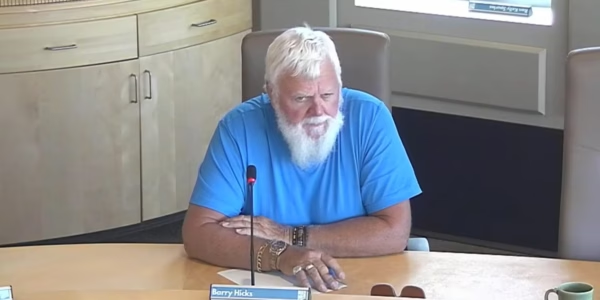
Councillor Barry Hicks took a more cautious position.
“Well, I gotta say, I think an apology should be made, so I guess I gotta find merit in it.”
After discussion, the majority of council agreed the complaint did not meet the standard required to proceed.
“So this code of this code of conduct complaint submission has no merit.”
Council then passed a formal motion dismissing the complaint, stating it “does not breach” the municipality’s code of conduct bylaw and that “no further action be taken.”
Election-related complaint against deputy mayor also dismissed
A second complaint, added under item 5.5, was filed by a resident against Deputy Mayor Debbie Wiggins-Colwell.
The complaint alleged misuse of municipal resources during the election period, specifically the use of an official email account for campaign-related purposes.
In the written complaint, the resident stated:
“This practice constitutes a clear misuse of public assets. Municipal email systems are funded by taxpayers and intended exclusively for the conduct of official municipal business.”
The complaint also argued the use of those resources could create “an unfair electoral advantage” and blur the line between municipal duties and political campaigning.
During the meeting, Wiggins-Colwell addressed council directly.
“My nomination papers were passed into Elections New Brunswick. They were okay by using the email that I had used. They said that was fine.”
She said she changed her approach after the complaint was filed.
“When I seen the complaint, I changed it back to a different email just to make it so there wouldn’t be any more turmoil over this.”
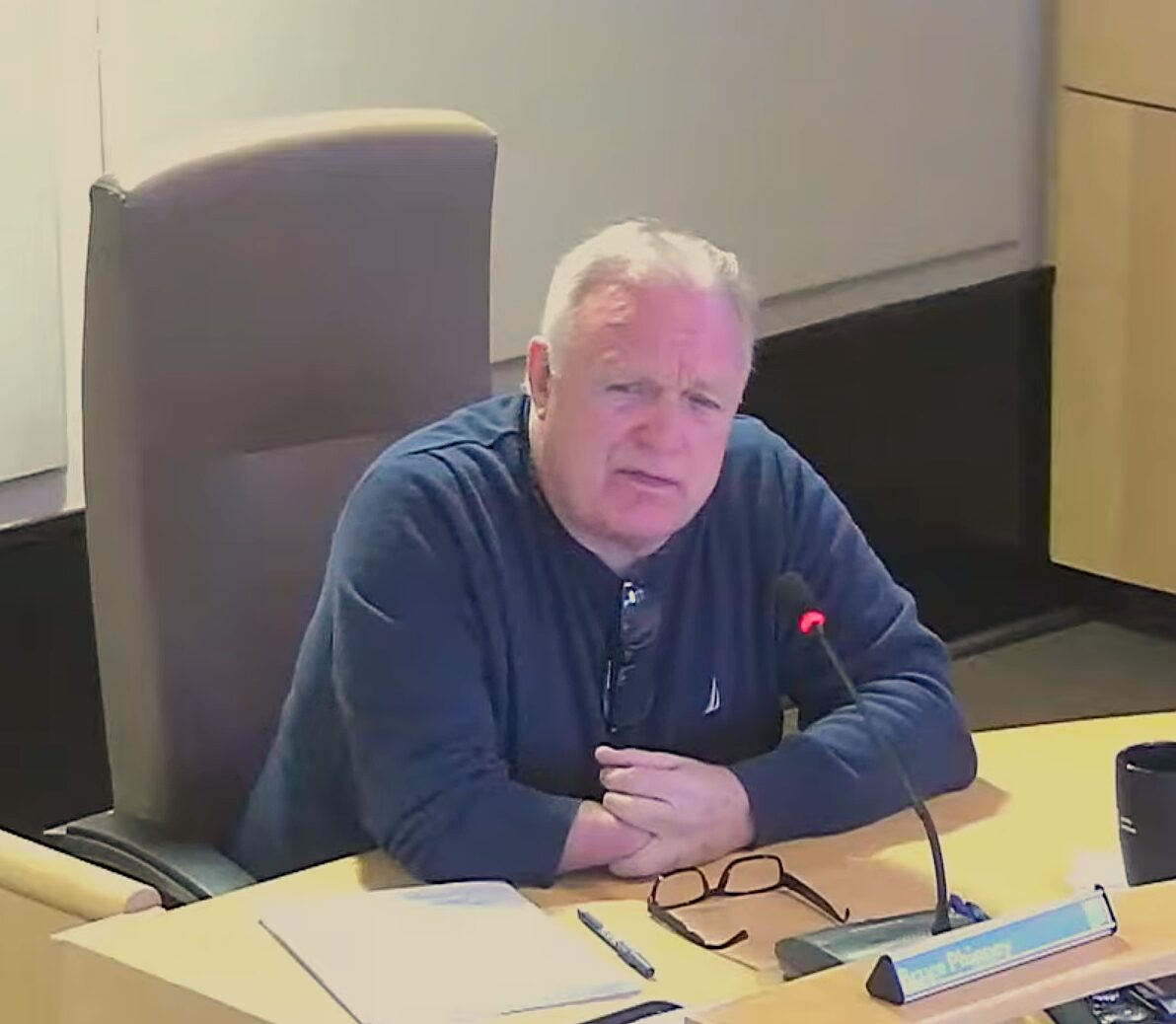
Councillor Bruce Phinney said that response influenced his view.
“She changed it right away in order to comply. So to me, it doesn’t hold any merit.”
Other councillors were more dismissive.
“To me this is silly. We can use whatever email we want. This is a waste of time and resources.”
Council again voted to dismiss the complaint.
Split votes highlight divisions
Both decisions were not unanimous.
Recorded votes show Councillors Barry Hicks and Bruce Phinney opposed dismissing the first complaint.
The discussions reveal ongoing divisions within council over how strictly the code of conduct should be interpreted and enforced.
The process also reflects a shift toward more public handling of complaints instead of closed-session discussions.
Broader questions remain
While both complaints were dismissed, the second case raises broader questions about campaign conduct during municipal elections.
The complaint referenced provincial rules prohibiting the use of government resources “for personal gain, or in support of a candidate in a local government election.”
Council ultimately determined the situation did not meet the threshold for a violation under its own bylaw.
The discussion signals that issues around transparency, fairness, and the use of municipal tools during election periods are likely to remain part of the conversation as the campaign continues.

Clinton Davis is a community journalist and audio producer covering the people, events, and ideas shaping the Tantramar region.